 English
 العربية
 bosanski jezik
 Български
 Català
 粤语
粤语 中文(漢字)
 Hrvatski
 Čeština
 Dansk
Dansk Nederlands
 Eesti keel
 Suomi
Suomi Français
 Deutsch
 Ελληνικά
 עברית
עברית Magyar
 Italiano
 日本語
日本語 한국어
한국어 Latviešu valoda
 Bahasa Melayu
 Norsk
Norsk پارسی
پارسی Polski
 Português
 Română
 Русский
 Cрпски језик
 Slovenčina
 Slovenščina
 Español
 Svenska
 தமிழ்
தமிழ் ภาษาไทย
 Tiếng Việt
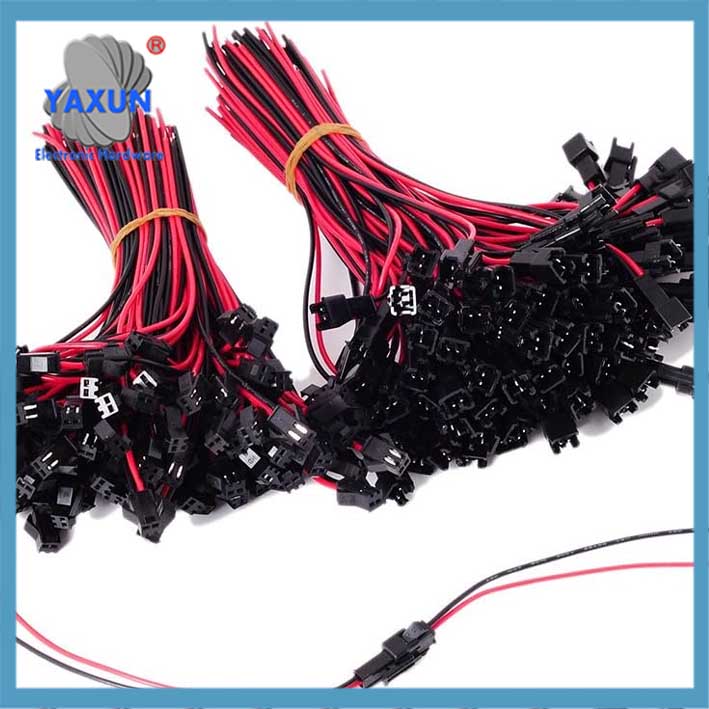
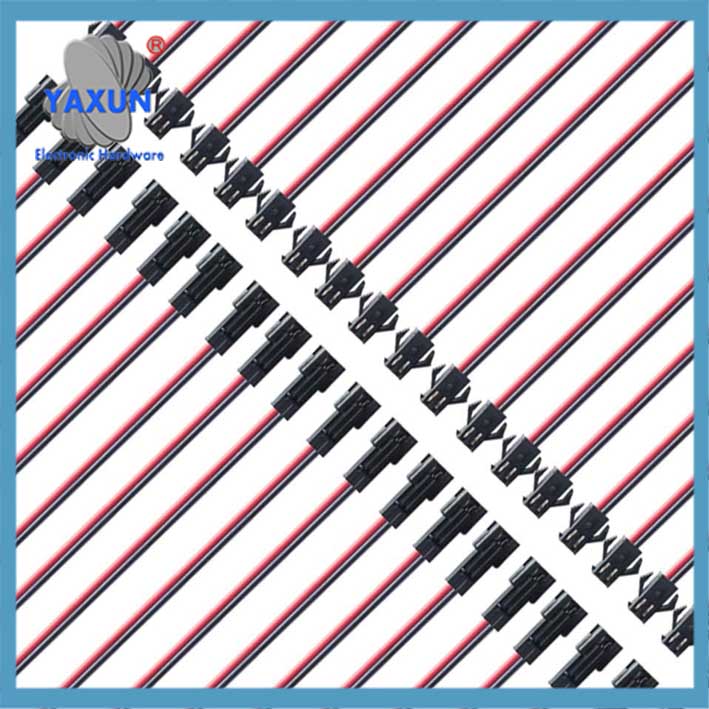
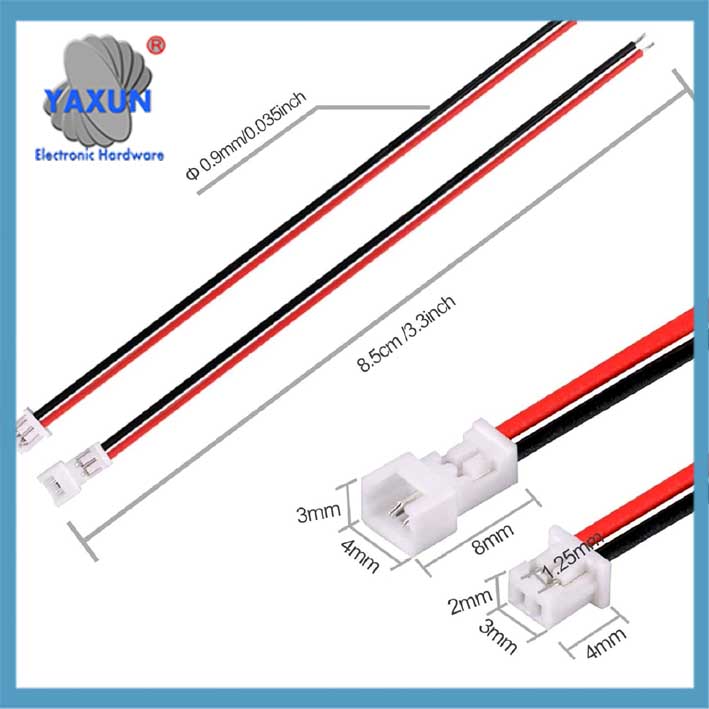


As a widely used connection device in the electronic field, the correct use of JST connectors is crucial to ensure the stability and reliability of the circuit. This article will briefly introduce the correct use of JST connectors and give some key considerations.
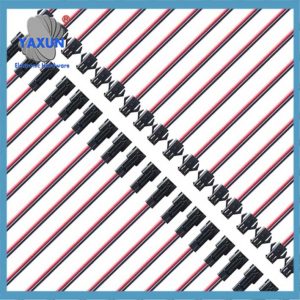 2Pin SM JST Cable conectores hembra/macho para tira LED monocromática bombilla de un solo color 5050 3528 5630 FCOB 3014 Tira LED COB |
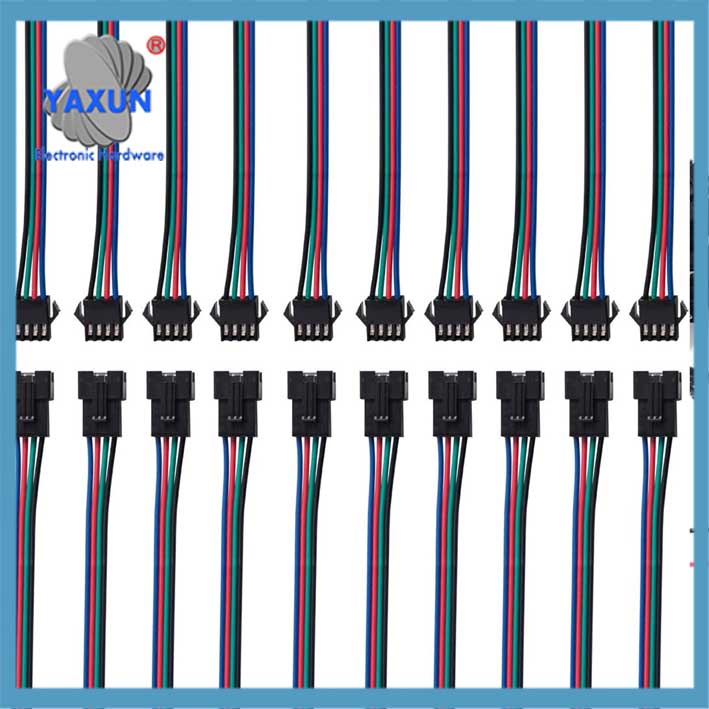
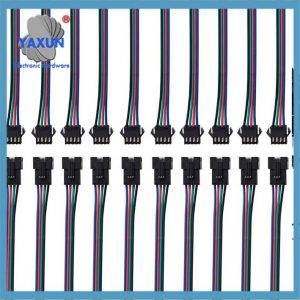 4pin SM JST 15cm Cable Female/ Male connectors for Led Strip RGB 5050 3528 WS2801 APA02 WS2815 WS2813 |
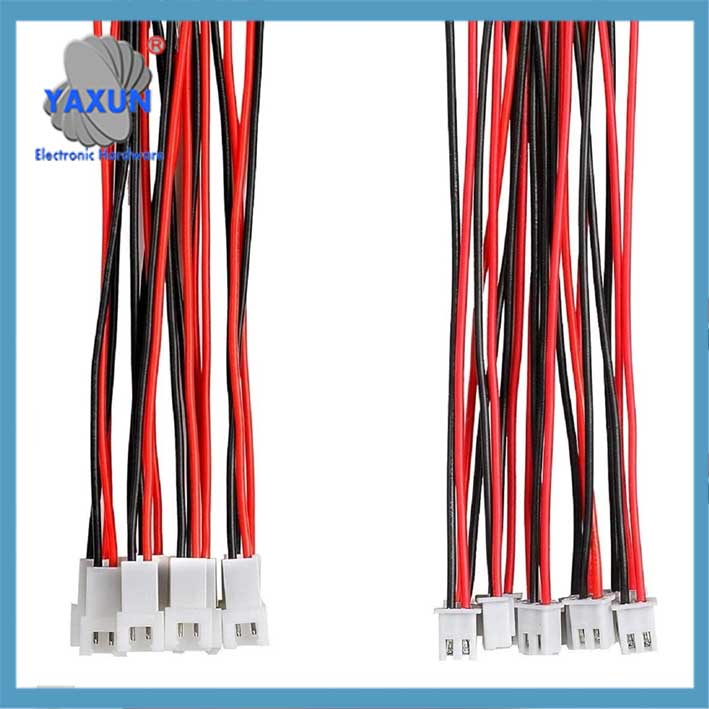
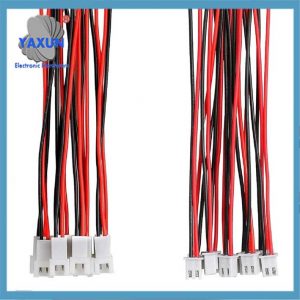 China Custom Flat Wire Cable 200mm 26AWG Compatible with JST XH |
1. Basic overview of JST connectors
JST connectors, the full name of which is Japan Solderless Terminals. It is an electrical connector produced by Japan Press Terminal Manufacturing Co., Limitado. (JST). It is mainly used to connect two or more electronic components to transmit current or signals. JST connectors are known for their high quality, high reliability and wide range of applications. They are widely used in aviation, aeroespacial, defense, automóviles, consumer electronics and other industries.
0.6mm Pitch Series:XSR;
0.8mm Pitch Series:SUH, SUR;
1.0mm Pitch Series:CSH, NSH, NSHD, SHJ,SH, SHD, SR, SSR, APSH,SHLD, SHLV, TCS;
1.2mm Pitch Series:ACH;
1.25mm Pitch Series:AGH, GERD, GH, GX,GHD, GVH, GEZ, FOX;
1.5mm Pitch Series:CZ,SZN, CZH,CZF, ZH,ZE, ZR, ZND, ZPD,ZA,ZM, ZND, ZWP, ZIM;
2.0mm Pitch Series:Pensilvania,PAD.PBD.PH, PHD, PID, PJD.PLI, PND, PNI, UI, SAN, SGN, SJN.JWPF.CPM. PBD, CK, CR, DR. KR.KRW, PAF, DA, DD, PAL, TR, CMEC.CPM, CPT, MEC, PAMU, ULH, WMCB;
2.2mm Pitch Series:BMSC,JFA J1000, HIC,SHC;
2.5mm Pitch Series:SM, EH, NH, XA, XAD,XH, SCN, RCY, HR, NR,XAF,JFA J2000, LEX, PXA.XAD, XAG, XM, XMA,XNI, DB, HM, THR;
2.54mm Pitch Series:RA, RF, RE, AIT,ATLF, ATSS,HCH,HCM;
3.0mm Pitch Series:BSS;
3.3mm Pitch Series:J-FAT, BNI, HIL;
3.96mm Pitch Series:VH, SDN, HL, VU,VR,BL, SL;
4.0mm Pitch Series:BH, JWPS,PSI,BHM, MSAI;
4.5mm Pitch Series:EL, YL, YLN;
5.0mm Pitch Series:DV, NV, SV, V, WPJ, XL, HYV, ZL;
5.08mm Pitch Series:JFA J300,LC,LC-L,VB;
6.0mm Pitch Series:JFA;
6.2mm Pitch Series:VL;
6.35mm Pitch Series:JFA J4000;
6.5mm Pitch Series:VYH;
7.0mm Pitch Series:MWP;
7.5mm Pitch Series:JFA-B;
8.0mm Pitch Series:BH,LV, PSI;
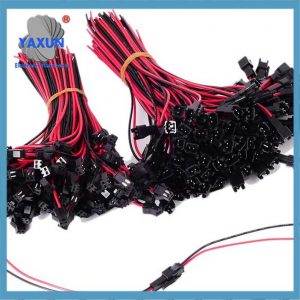 Conector Jst Syp Cable de enchufe Conector macho y hembra para Rc |
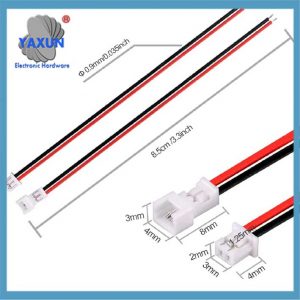 JST-XH Connector Kit, XH 2.54mm 2Pin, 3Alfiler, 4Alfiler, 5Pin Connector Male and Female Plug Adapter |
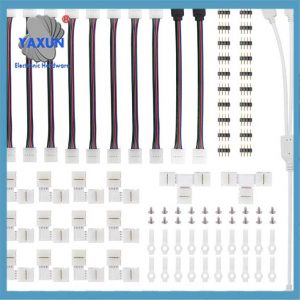 LED Strip Connector Kit for 5050 10mm 4Pin,Includes 8 Types of Solderless LED Strip Accessories, Provides Parts for DIY |
2. Correct use of JST connectors
1. Select the right connector model
Before using the JST connector, you first need to select the appropriate connector model according to the application requirements. Different JST connector models have different pin spacing, current carrying capacity, operating temperature range and other characteristics, so they need to be selected according to the specific application scenario. Por ejemplo, in applications where large currents need to be transmitted, a connector model with a higher current carrying capacity should be selected.
2. Ensure that the interface matches
When connecting the JST connector, you must ensure that the connector interface matches the connected electronic component. This includes matching in terms of pin spacing, number of pins, pin shape, etc.. If the interface does not match, the connector may not be inserted correctly or the connector and electronic components may be damaged.
3. Keep the interface clean and dry
When plugging and unplugging the JST connector, the interface should be kept clean and dry. Impurities such as dust and moisture entering the interface may cause problems such as poor contact or short circuit. Por lo tanto, before plugging and unplugging the connector, you should use a clean cloth or cotton swab to gently wipe the surface of the interface to ensure that no impurities remain.
4. Correctly plug and unplug the connector
When plugging and unplugging the JST connector, use appropriate force and the correct method. Avoid using excessive force or improper plugging and unplugging methods to avoid damaging the connector or electronic components. En términos generales, one end of the connector should be gently inserted first, and then the other end should be gradually pushed in until a “click” sound is heard indicating that the connector has been properly inserted. When unplugging the connector, you should also gently shake the connector to release the buckle first, and then slowly unplug it.
5. Regular inspection and maintenance
Durante el uso, the JST connector should be checked regularly for good contact. If problems such as poor contact or damage are found, it should be replaced or repaired in time. Además, attention should be paid to the storage and transportation environment of the connector to avoid factors such as collision and extrusion that may cause damage.
III. Precautions for JST connectors
1. Avoid overload use
JST connectors have a certain current carrying capacity, but using it beyond its carrying capacity may cause serious consequences such as overheating, melting, and even fire of the connector. Por lo tanto, when using JST connectors, it is necessary to ensure that the current does not exceed its carrying capacity.
2. Pay attention to anti-static
When handling JST connectors, pay attention to anti-static. Static electricity may cause damage to electronic components, so an anti-static wristband should be worn or other anti-static measures should be taken when handling connectors.
3. Comply with safety
When using JST connectors, relevant safety regulations and operating procedures should be followed. Por ejemplo, when plugging and unplugging connectors, ensure that the power is turned off or in a safe state; when handling high-voltage or high-current circuits, appropriate safety measures should be taken, etc..
IV. Resumen
As an important electronic component connector, JST connector has a wide range of applications in the electronics field. In order to ensure the stability and reliability of the connector, it is necessary to master its correct usage and precautions. By selecting the appropriate connector model, ensuring interface matching, keeping the interface clean and dry, correctly plugging and unplugging the connector, and regularly inspecting and maintaining it, the normal use of the JST connector can be ensured and its service life can be extended. Al mismo tiempo, during use, it is also necessary to pay attention to anti-static and comply with safety regulations to ensure safety.