 English
 العربية
 bosanski jezik
 Български
 Català
 粤语
 中文(漢字)
 Hrvatski
 Čeština
 Dansk
 Nederlands
 Eesti keel
 Suomi
 Français
 Deutsch
 Ελληνικά
 עברית
 Magyar
 Italiano
 日本語
 한국어
 Latviešu valoda
 Bahasa Melayu
 Norsk
 پارسی
 Polski
 Português
 Română
 Русский
 Cрпски језик
 Slovenčina
 Slovenščina
 Español
 Svenska
 தமிழ்
 ภาษาไทย
 Tiếng Việt


Фотоелектрични прекидач серије МГК је производ развоја модерне микроелектронске технологије, и то је надограђени производ ХГК серије инфрацрвеног фотоелектричног прекидача. У поређењу са претходним фотоелектричним прекидачем, има своје изузетне карактеристике:
Има функцију самодијагностике и индикације стабилног радног подручја, која може благовремено да обавести да ли је радно стање поуздано;
Супрот-беам, рефлексивни, и фотоелектрични прекидачи који рефлектују огледало имају функцију спречавања међусобне сметње и лако се инсталирају;
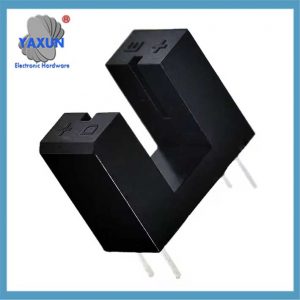 Директни фотоелектрични сензор кроз сноп Фотоелектрични сензор Тип слота фотоспојник фотоелектрични прекидач |
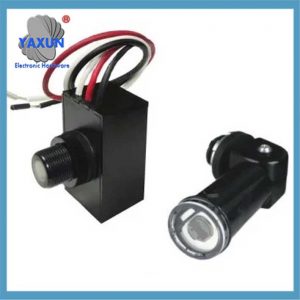 Фотоелектрични прекидач, 120-277В Фотоелектрични прекидач сензора од сумрака до зоре Прекидач за осветљење сензора фотоћелије |
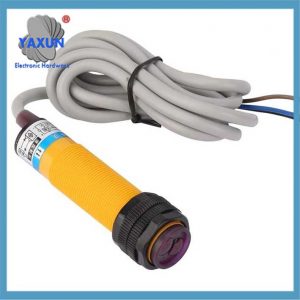 Фотоелектрични прекидач, ДЦ6-36В Е3Ф-ДС30Ц4 НПН НО прекидач сензора близине 10-30цм |
Фотоелектрични прекидач, назива се и фотоелектрични сензор, је уређај који детектује присуство или одсуство објекта мерењем промена интензитета светлости, обично емитујући светлосни сноп, а затим детектујући када је тај сноп прекинут или одбијен од објекта; кључне карактеристике укључују детекцију без контакта, велике удаљености сензора, одзив велике брзине, способност детекције различитих материјала (укључујући и транспарентне), и широку примену у индустријској аутоматизацији, руковање материјалом, и свакодневни уређаји као што су аутоматска врата и славине за ручно таласање.
Кључне карактеристике:
Детекција без контакта:
Фотоелектрични прекидачи детектују објекте без физичког додиривања, which prevents damage to both the sensor and the target object.
Long Sensing Distance:
Depending on the type of sensor, they can detect objects at significant distances, making them suitable for large areas.
Fast Response Time:
Due to the speed of light, photoelectric switches react quickly to changes in the light beam, enabling high-speed detection.
Versatility in Material Detection:
Most photoelectric sensors can detect a wide variety of materials including metals, plastics, wood, glass, and liquids, depending on the design and operating mode.
High Resolution:
Advanced designs can achieve high resolution, allowing for precise detection of small objects or object positioning.
Immune to Electromagnetic Interference:
Photoelectric sensors are generally not affected by electromagnetic noise.
Types of Photoelectric Switches:
Through-Beam:
A transmitter and receiver are positioned opposite each other, with the object interrupting the light beam between them.
Retroreflective:
The emitted light beam is reflected back to the receiver by a reflective surface on the target object.
Diffused:
The sensor emits a light beam that is scattered off the target object and then detected by the receiver.
Апликације:
Industrial Automation: Detecting parts on conveyor belts, counting items, monitoring product levels, quality control checks
Material Handling: Detecting objects in robotic systems, monitoring conveyor belt alignment
Packaging Machinery: Ensuring proper package sealing, detecting product presence
Door Automation: Automatic door opening and closing mechanisms
Traffic Control Systems: Vehicle detection for traffic lights
Security Systems: Intrusion detection systems
Медицински уређаји: Fluid level monitoring in medical equipment
Цонсумер Елецтроницс: Hand-wave activated faucets, automatic lighting systems
Setting the ES external synchronization (external diagnosis) control terminal can pre-check whether the photoelectric switch is working normally before operation. And it can accept interrupt or detection instructions from computer or programmable controller at any time, and the appropriate combination of external diagnosis and self-diagnosis can make the photoelectric switch intelligent;
The response speed is fast, and the response speed of the high-speed photoelectric switch can reach 0.1ms. It can perform 300,000 detection operations per minute, and can detect small objects moving at high speed;
Using ASIC and advanced SMT surface mount technology, it has high reliability;
Мала величина (minimum 20×31×12mm), light weight, simple installation and debugging, and short circuit protection.
Технички појмови за фотоелектричне прекидаче
Удаљеност детекције: Удаљеност детекције фотоелектричних прекидача кроз сноп и рефлексију огледала односи се на максималну удаљеност која се може стабилно детектовати без ефективних препрека на оптичкој оси. Удаљеност детекције рефлективног фотоелектричног прекидача је максимална удаљеност која може стабилно детектовати стандардни објекат детекције.
Хистерезна удаљеност: Растојање хистерезе се односи на разлику између удаљености акције и удаљености ресетовања. Изражава се односом удаљености детекције, генерално испод 20% удаљености детекције.
Време одговора: Време потребно од почетног ефективног пријема светлости пријемника светлости до излазног дејства назива се време одзива.
Ресетујте време примене: The time required from the initial effective shading of the light receiver to the output reset is called the reset application time.
Dark ON (DARK ON): то је, shading action. It means that when the speed of light entering the light receiver decreases to a certain level or is completely blocked, the output transistor will turn on and output.
Bright action (LIGHT ON), also known as light action. It means that when the light beam entering the light receiver increases to a certain amount, the output transistor is turned on and has output.
External synchronous input function: In general, all photoelectric switches with external diagnostic input function generally have external synchronous function.
That is to say, it is possible to pre-check whether the sensor detection is normal before work. In work, коришћење ове особине такође може прихватити операцију или команду прекида коју издаје контролни систем у било ком тренутку. Ако је први излаз повезан серијски са другим спољним улазом за синхронизацију, могу се реализовати функције као што је И капија.
Употреба фотоелектричног прекидача
1) Апликације фотоелектричних прекидача могу се користити у разним приликама, избегавање јаких извора светлости. Фотоелектрични прекидачи генерално могу да раде стабилно када је осветљеност околине висока. Међутим, избегавајте усмеравање оптичке осе сензора на јаке изворе светлости као што су сунчева светлост и лампе са жарном нити. Када је угао између оптичке осе сензора (светлосни пријемник) а јак извор светлости се не може променити, око сензора се може поставити плоча за сенчење или дуга цев за сенчење.
2) Prevent mutual interference of photoelectric switches. MGK series new photoelectric switches usually have the function of automatically preventing mutual interference, so there is no need to worry about mutual interference. Међутим, when several groups of HGK series through-beam infrared photoelectric switches are installed side by side, adjacent groups and mutual interference should be prevented. The most effective way to prevent this kind of interference is to set the light emitter and light receiver crosswise, and open the group distance when there are more than 2 groups. Наравно, it is also a good way to use models with different frequencies.
An effective way for HGK series reflective photoelectric switches to prevent mutual interference is to keep the distance apart. Штавише, the farther the detection distance is, the larger the interval should be, and the specific interval should be determined according to the debugging situation. Наравно, models with different operating frequencies can also be used.
3) The influence of the mirror angle of the photoelectric switch: When the object to be measured is shiny or meets a smooth metal surface, the reflectivity is generally very high, which acts like a mirror. У ово време, the light emitter and the detection object should be installed at an angle of 10-20°, so that the optical axis is not perpendicular to the detection object, so as to prevent misoperation.
4) Elimination of background effects of photoelectric switches:
When using reflective diffuse emitters and receivers, sometimes the photoelectric switch may not be able to detect stably because the detected object is close to the background object, the photoelectric switch or the background is smooth and other objects with high reflectivity. Стога, you can use distance-limited projectors and receivers, or use methods such as keeping away from the background, removing the background, painting the background in matte black, or trying to make the background rough and dark.
5) Use of the self-diagnosis function of the photoelectric switch:
During installation or use, sometimes due to the impact of the table or the background and the use of vibration, there may be problems such as slight deviation of the optical axis, lens contamination, dust accumulation, external noise, and ambient temperature out of range. These problems may cause the photoelectric switch to deviate from the stable working area. У ово време, the self-diagnostic function of the photoelectric switch can be used to make a notification through the green stable indicator light of STABLE to remind the user to adjust it in time.