English
 العربية
 bosanski jezik
 Български
 Català
 粤语
粤语 中文(漢字)
 Hrvatski
 Čeština
 Dansk
Dansk Nederlands
 Eesti keel
 Suomi
Suomi Français
 Deutsch
 Ελληνικά
 עברית
עברית Magyar
 Italiano
 日本語
日本語 한국어
한국어 Latviešu valoda
 Bahasa Melayu
 Norsk
Norsk پارسی
پارسی Polski
 Português
 Română
 Русский
 Cрпски језик
 Slovenčina
 Slovenščina
 Español
 Svenska
 தமிழ்
தமிழ் ภาษาไทย
 Tiếng Việt
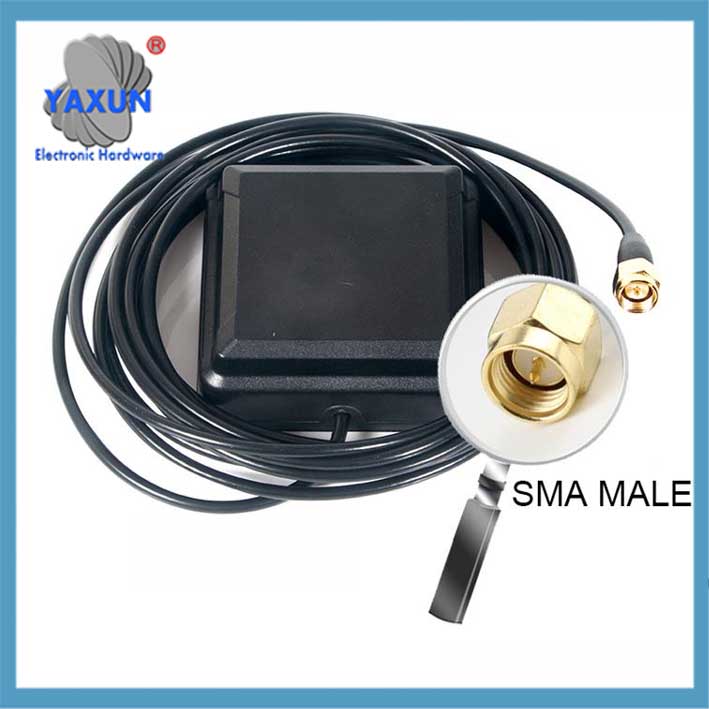
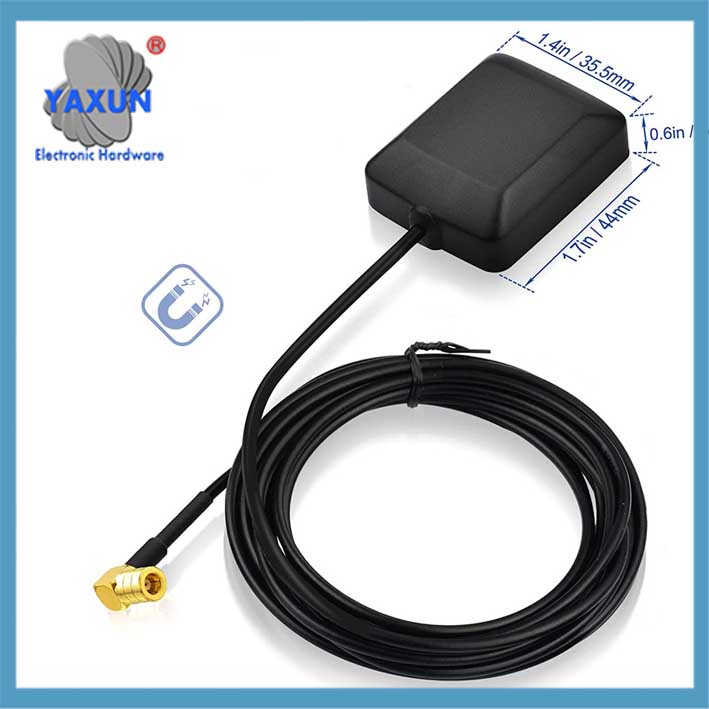
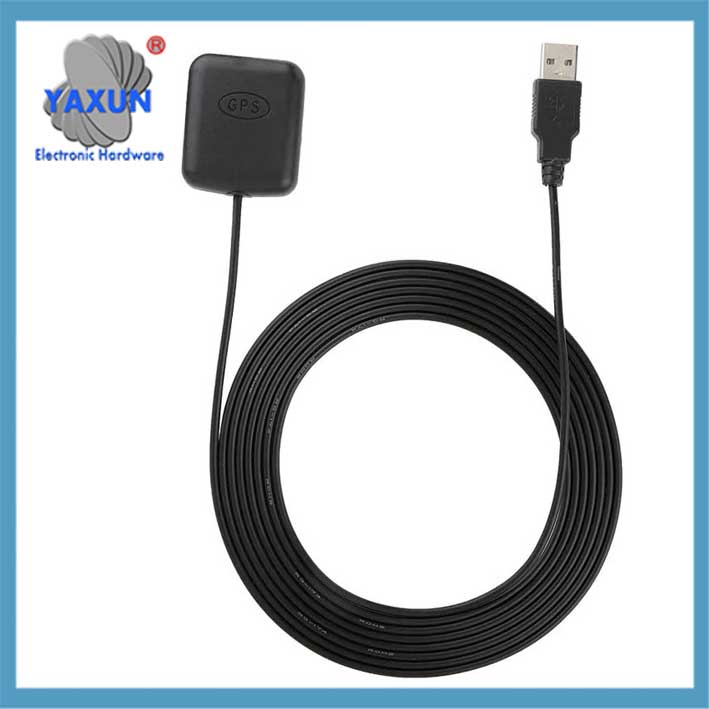
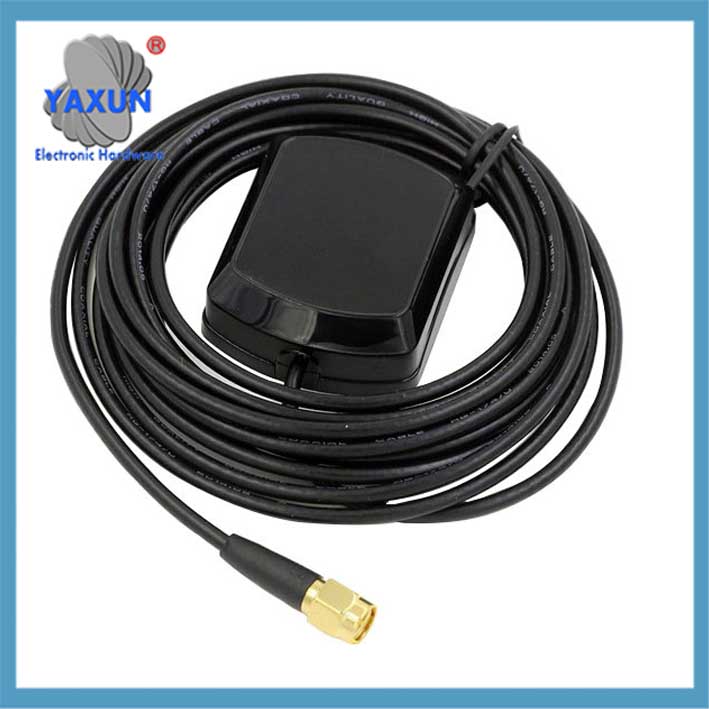
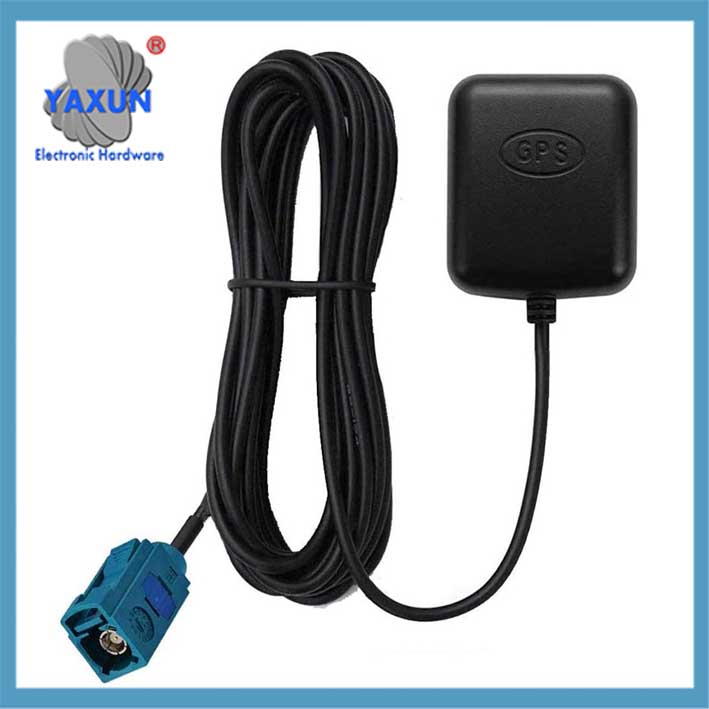
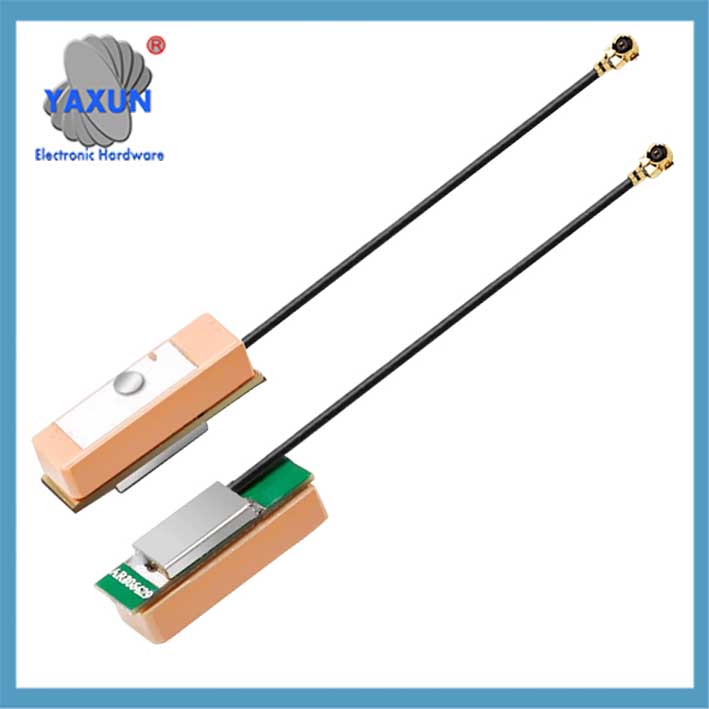
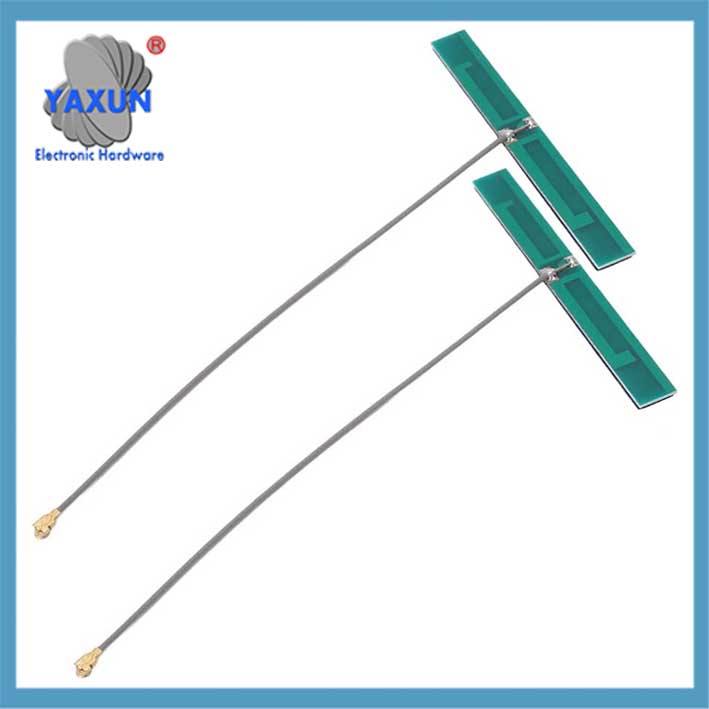
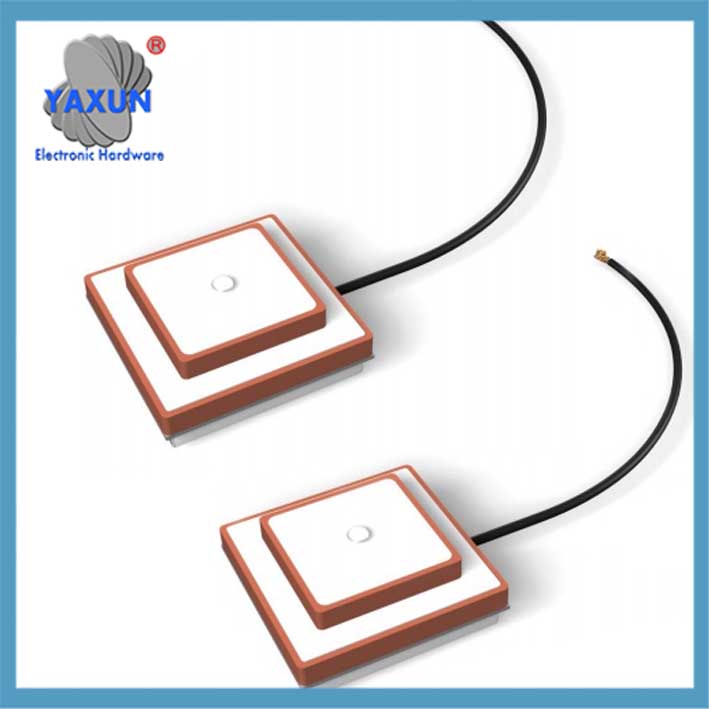

GPS 天線和北斗天線是更大的全球導航衛星系統的一部分 (全球導航衛星系統) 並用於接收來自繞地球運行的衛星的信號, 實現精確定位, 導航, 和時間安排. 儘管 “GPS天線” 是一個常用術語, 從技術上講,它指的是支持更廣泛的 GNSS 網絡的天線, 其中包括 GPS, 格洛納斯, 伽利略, 和北斗.
GPS antennas and BeiDou antennas have both similarities and differences in technical implementation and application scenarios. The following is a comprehensive comparative analysis:
我. Polarization mode and frequency band characteristics
偏振模式:
GPS antennas generally adopt right-hand circular polarization design to match the characteristics of GPS satellite signals.
BeiDou antennas also mainly use right-hand circular polarization at the receiving end, but the early BeiDou first-generation transmitting antenna used left-hand circular polarization design.
Compared with vertical polarization, circular polarization can reduce the impact of multipath interference and improve signal stability48.
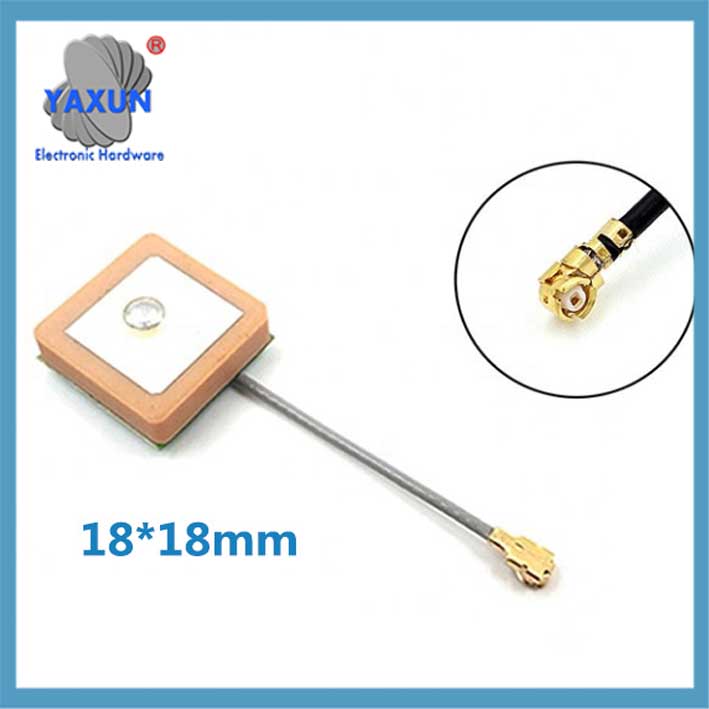
 18*18mm 28dBi high gain GPS, Beidou built-in active ceramic antenna IPEX connector |
 35*35mm GPS, Beidou double-layer active ceramic built-in antenna |
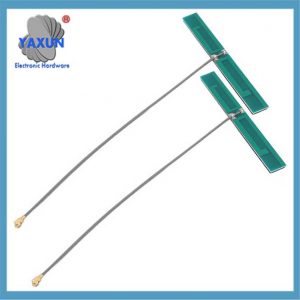 69*8mm GPS built-in PCB antenna |
Frequency band coverage:
GPS mainly works in the L1 (1575.42MHz) band, while BeiDou supports multiple bands such as B1 (1561MHz), B2, and B3.
Dual-mode antennas (such as GPS+BeiDou) need to be compatible with different frequency bands. Common implementation methods include microstrip patch structure or frequency division design.
Signal Reception:
GPS and BeiDou antennas are designed to capture radio signals emitted by satellites in the corresponding constellations.
Positioning, 導航, and Timing:
These signals are used by devices to calculate the user’s location, determine direction, and provide accurate time synchronization.
GNSS Applications:
GPS and BeiDou antennas are used in various applications, including navigation, mapping, tracking, surveying, and scientific research.
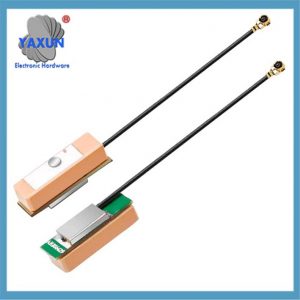 GPS+Beidou ceramic active 28DBI high gain dual frequency antenna |
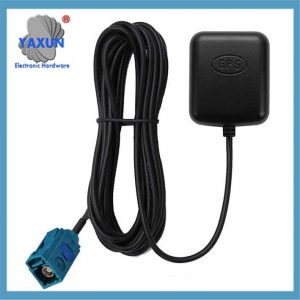 45*38mm GPS, Beidou high gain vehicle navigation positioning antenna Fakra connector |
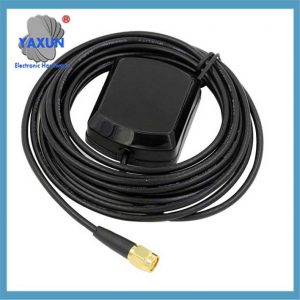 48*39mm GPS Beidou external dual-mode antenna SMA connector |
ii. Design and performance parameters
Antenna type:
Passive antennas (ceramic dielectrics) are often used as basic receiving units and rely on signal strength; active antennas integrate low noise amplifiers (LNA) and are suitable for weak signal environments.
In vehicle applications, external antennas are often better than built-in designs to avoid interference from metal bodies or explosion-proof membranes to signal reception.
Key Performance Indicators:
Axle Ratio: Measures the balance of multi-directional signal reception and directly affects positioning accuracy.
Gain and Sensitivity: High-gain antennas can improve long-distance signal capture capabilities, but power consumption and anti-interference requirements must be weighed.
Anti-interference capability: BeiDou antennas need to deal with natural interference such as solar storms and multipath effects, as well as local electromagnetic interference.
BeiDou Specifics:
Multiple Service Capabilities:
The BeiDou system offers a range of services beyond just positioning, including short message communication and international search and rescue.
Regional and Global Applications:
BeiDou is designed to provide reliable positioning and navigation, especially in regions with limited access to other GNSS systems.
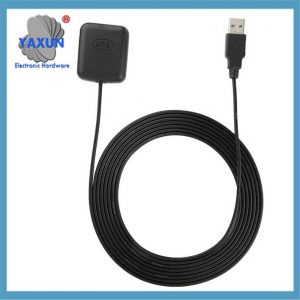 USB interface Waterproof Active GPS positioning antenna |
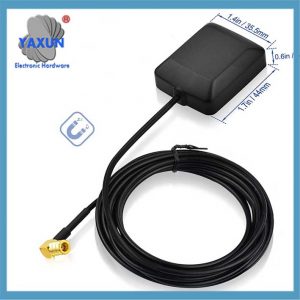 SMB 母頭防水迷你衛星收音機 GPS 天線 |
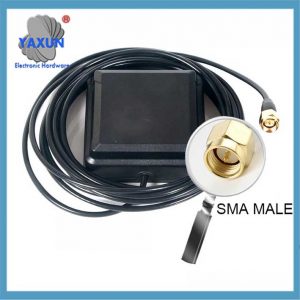 RTK/RTD GNSS全頻率L1L2L5車輛安裝的Beidou天線 |
iii. Compatibility and Application Scenarios
System Compatibility:
GPS and BeiDou systems in the civil field have achieved signal compatibility, and dual-mode antennas can simultaneously receive signals from multiple systems to improve positioning reliability.
Some terminals (比如手機) support dual-frequency GPS and tri-frequency Beidou collaborative positioning by integrating multi-band antenna solutions.
Typical applications:
Navigation equipment: In-vehicle navigation relies on external magnetic antennas to enhance signals, while mobile devices such as drones tend to use compact built-in antennas.
High-precision positioning: High-precision scenarios such as autonomous driving require the combination of Beidou B3 band to enhance anti-interference capabilities and optimize antenna gain and axial ratio.
Key Differences and Similarities:
Satellite Constellation:
GPS antennas primarily receive signals from the American GPS satellite constellation, while BeiDou antennas primarily receive signals from the Chinese BeiDou satellite constellation.
Signal Frequency:
GPS and BeiDou utilize different frequency bands for their signals. GPS commonly uses L1 and L5 frequencies, while BeiDou uses B1, B2a, B2b, and B3 frequencies.
Regional and Global Coverage:
While GPS and BeiDou systems provide global coverage, the BeiDou system is particularly beneficial for users in the Asia-Pacific region.
Antenna Design:
Antennas can be internal (integrated into a device) or external (mounted on a vehicle or other equipment). They can also be active (with an amplifier) or passive (without an amplifier).
Multi-Frequency Antennas:
Some antennas are designed to receive signals from multiple constellations (全球定位系統, 格洛納斯, 伽利略, BeiDou) and multiple frequency bands for Improved accuracy and reliability.
Performance:
Antennas are designed with features like low noise figures, high gain, and out-of-band rejection to ensure accurate and reliable signal reception.
iv. Selection and installation recommendations
環境適應
Active antennas are preferred in areas with strong electromagnetic interference, and should be kept away from motors and high-power radio equipment.
The built-in antenna should be kept away from the mainboard EMI source (such as CPU, memory), and the housing should be well grounded.
Debugging and maintenance
The antenna orientation (vertically upward) should be strictly calibrated during installation to avoid multipath reflection errors.
Regularly check the antenna standing wave ratio (駐波比) and noise factor to ensure long-term stable operation.
概括
GPS and Beidou antennas are highly similar in core technology, and the differences are mainly reflected in frequency band adaptation and anti-interference optimization. Dual-mode antenna design has become a mainstream trend, which meets the needs of high-precision positioning in complex environments by being compatible with multi-band and multi-system signals.