 English
 العربية
 bosanski jezik
 Български
 Català
 粤语
粤语 中文(漢字)
 Hrvatski
 Čeština
 Dansk
Dansk Nederlands
 Eesti keel
 Suomi
Suomi Français
 Deutsch
 Ελληνικά
 עברית
עברית Magyar
 Italiano
 日本語
日本語 한국어
한국어 Latviešu valoda
 Bahasa Melayu
 Norsk
Norsk پارسی
پارسی Polski
 Português
 Română
 Русский
 Cрпски језик
 Slovenčina
 Slovenščina
 Español
 Svenska
 தமிழ்
தமிழ் ภาษาไทย
 Tiếng Việt

مدل نامگذاری شده RF TNC / BNC / QMA / SMB / کانکتور SMC/DIN/FME معمولاً با مدل نام اصلی پذیرفته شده بین المللی قرار دارد. مدل های نامگذاری فرم ساختاری محصولات مختلف باید مطابق با استانداردها و مشخصات دقیق فرموله شود. در مورد اصول اولیه کانکتورهای RF چقدر می دانید؟?
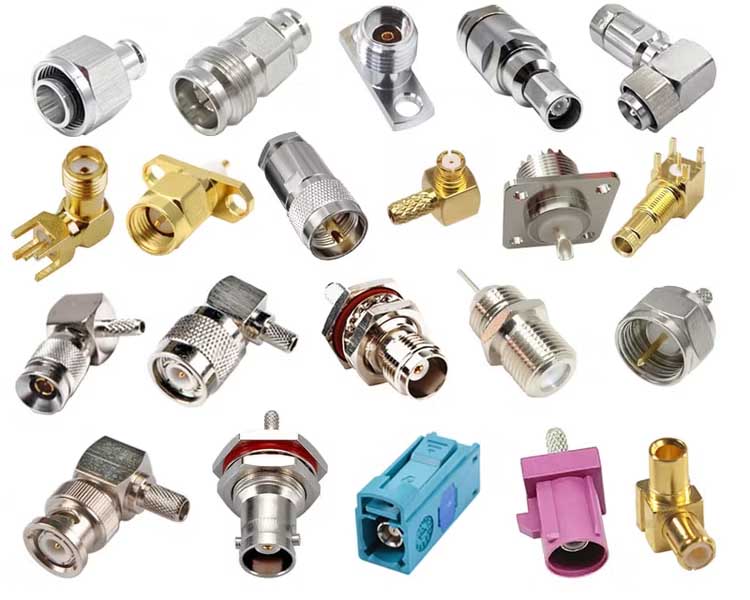
مونتاژ کابل اتصال دهنده کواکسیال RF نر BNC سفارشی چین به SMA با کابل Rg58 – مونتاژ کابل
توسعه کانکتور کواکسیال RF
اختراع اتصالات کواکسیال RF و مایکروویو به دهه 1940 در طول جنگ جهانی دوم برمی گردد.. با تولد رادار و تجهیزات مختلف ارتباط رادیویی, اتصال دهنده هایی مانند N و BNC برای اولین بار ظاهر شدند.
با توسعه رادار, ارتباطات رادیویی و مایکروویو, ن, جف, TNC, و سریال های دیگری تولید شده است. بعد از 1958, محصولات کوچک مانند SMA, SMB, و SMC ظاهر شد. در 1964, استاندارد نظامی ایالات متحده MIL-C-39012 "مشخصات عمومی برای اتصالات کواکسیال فرکانس رادیویی" فرموله شد.. از آن به بعد, RFC شروع به توسعه در جهت استانداردسازی کرد, سریال سازی, و تعمیم, بنابراین اولین توسعه از بخش مهندسی نظامی آغاز شد.
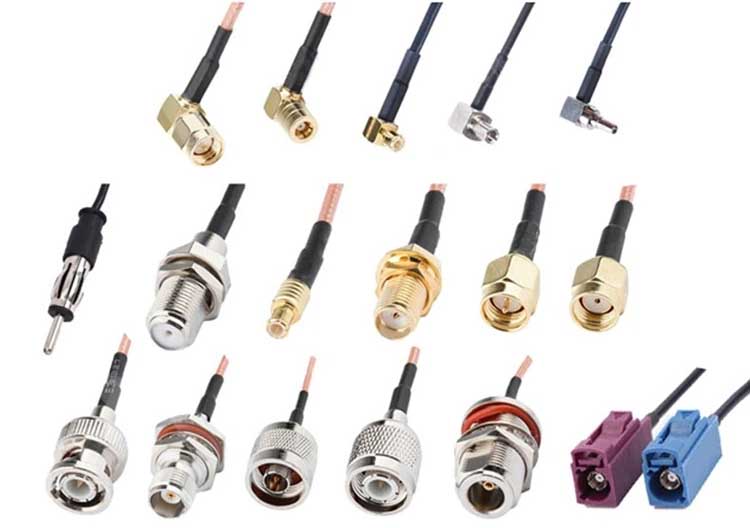
کابل کواکس زن QMA سفارشی به SMA SMB SMC N UHF BNC TNC FME F MCX MMCX CRC9 TS9 RG316 Coax
کانکتور نوع N در منشا گرفته است 1942 و به نام مخترع آن نامگذاری شده است, پل نیل. فرکانس کاری اولیه 4 گیگاهرتز بود, و پس از دهه 1960 به 11 گیگاهرتز ارتقا یافت. نوع دقیق می تواند تا 18 گیگاهرتز کار کند, و یکی از پرکاربردترین کانکتورها است. دو مشخصات 50Ω و 75Ω وجود دارد, که نمی توانند به یکدیگر متصل شوند. قطر داخلی هادی خارجی 7 میلی متر است. نوع N مشابه استاندارد چینی L16 است, اما این دو با هم سازگار نیستند و به یک آداپتور اختصاصی N-L16 نیاز دارند.
BNC اولین کانکتور کواکسیال فرکانس رادیویی است, در طول جنگ جهانی دوم. به دلیل نیازهای فوری جنگ, انواع مختلف تجهیزات الکترونیکی کشتی و هوابرد آسیب دیدند, باعث شده است که آسیب زیادی به سلاح های رزمی دریایی و هوایی ایالات متحده وارد شود تا تعمیر شود. به منظور کوتاه کردن زمان تعمیر, ایالات متحده. وزارت نیروی دریایی تعدادی محقق و مهندس عالی را جمع آوری کرد تا اتصال سریع جفت گیری و جداسازی BNC را در مدت زمان کوتاهی اختراع کنند., که تبدیل به یک کانکتور پلاگین نوع N شد. این مبتکر کانکتورهای کواکسیال RF در سراسر جهان است. معمولا در مدارهای فرکانس پایین استفاده می شود, قطر داخلی هادی خارجی 6.5 میلی متر است. مشابه استاندارد چینی Q9, اما کاملا سازگار نیست.
TNC مخفف Threaded Neill–Concelman است. آیا نیل کانسلمن را آشنا می بینید؟? به هر حال, NC TNC همان NC BNC است, یعنی می گویند, آنها همان مخترع را دارند. کانکتور TNC نوعی از کانکتور BNC و یک نسخه بهبود یافته از BNC است, و ویژگی های فرکانس آن اساساً با ویژگی های نوع N یکسان است. TNC از یک اتصال رشته ای استفاده می کند.
کانکتور APC/7mm (کانکتور دقیق آمفنول) در دهه 1960 به وجود آمد. استاندارد آمفنول, غیر قطبی, کمترین موج ایستاده در بین تمام کانکتورها تا 18 گیگاهرتز است, معمولاً به عنوان "کانکتور تخت" شناخته می شود. معمولاً در تحلیلگرهای شبکه یافت می شود. قطر داخلی هادی خارجی 7 میلی متر است.
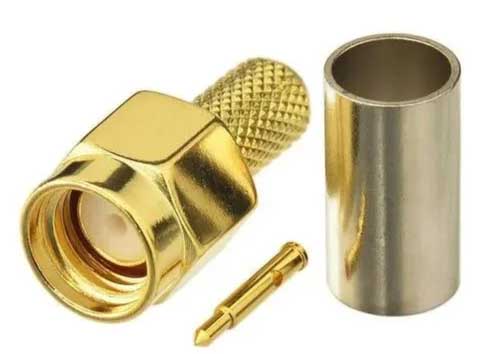
کانکتور SMA سفارشی RF کواکسیال SMA-C-J1.5 سوراخ داخلی پیچ داخلی سر نر مستقیم برای اتصالات کابل RG316 RG174
کانکتور نوع HN یک نسخه ولتاژ بالا از کانکتور نوع N است که در دهه 1950 معرفی شد.. می تواند تا ولتاژ 5 کیلو ولت کار کند, و اندازه آن نزدیک به نوع N است, اما ظرفیت توان آن بزرگتر است.
کانکتور DIN7-16 (استاندارد صنایع آلمان) مشتق شده از 6-16 (60اوه) کانکتور اختراع شده توسط Spinner. The outer diameter of the inner conductor is 7mm, and the inner diameter of the outer conductor is 16mm, which is the connector with the best passive intermodulation (PIM) performance among all connectors. Commonly found in cellular base stations and broadcast television transmitters. Compatible with Chinese standard L29.
SMA was designed by Bendix in the late 1950s for semi-rigid coaxial cables. Its matching space is filled with polytetrafluoroethylene medium, and its structure is relatively simple. This connector was not intended to be used for a long time, let alone considered as a precision connector, so it is only a connector for common systems. But it is probably the most widely used connector in the world.
3.5mm connector: In the mid-1960s, ایالات متحده. Department of Commerce established a Joint Industry Research Council (JIRC) for the standardization of small precision coaxial connectors. After efforts to propose a civilian product standard in 1972, the size of the air transmission line was reduced to 3.5mm, and the frequency under the modeless working state was extended to 36GHz. هر چند, due to its high precision and high price, it has been hindered from being widely used as a general connector. Due to the needs of the situation, companies such as Hewlett-Packard have developed a high-precision, relatively cheap 3.5mm connector. Add a non-slotted protective cover on the outside. Rated operating frequency up to 33GHz. The 3.5mm connector is compatible with SMA and can be docked without loss. In the SMA working frequency range, the VSWR characteristics of the 3.5mm connector are similar to those of the SMA. The 3.5mm connector is especially suitable for test equipment due to its precision and good wear resistance.

Choosing the Right Connector-A Guide to BNC, TNC, SMA, MCX, MMCX, and IPEX-U.FL at China
The 2.92mm connector is similar to the 3.5mm connector in structure, but it is smaller, allowing the operating frequency to 46GHz, and its inner conductor size is the same as SMA at 0.05 اینچ (1.27مگنی). The 2.92mm connector was first developed by Maury Microwave (MPC-3 type). Such connectors developed by other companies include K-type, KMC-type, WMP4-type, OTC.
The K-type connector was developed by Wiltron in 1983 (Wiltron was acquired by Japan’s Anritsu in 1990), and it is compatible with SMA, 3.5مگنی, and WSMA connectors. The heart of the K-type connector is its transition device, which uses a glass insulator to realize the rigid transition from the coaxial connector to the microstrip circuit, which ensures that the circuit will not be damaged when the connector is replaced or repaired.
The 2.4mm coaxial connector was invented by Julius Botke and Paul Watson in 1986 and is compatible with 1.85mm connectors. Also known as OS-50 type, the inner diameter of the outer conductor is 2.4mm. The successful development of the 2.4mm coaxial connector marks a new step in the development of millimeter wave connectors. A series of small coaxial connectors developed in front of it have made many improvements in structure, but the robustness and repeatability of the connectors are still not improved enough. This creates a cascade of problems with instrumentation and calibration standards, where greater alignment, robustness, and repeatability are required.
The 2.4mm connector can be used in a wide range of fields, and it is the first product with three grades: production grade, instrument grade and measurement grade.
1.85 and 1.0mm connectors; Hewlett-Packard Company of the United States is a manufacturing company engaged in electronic equipment and components, and it has been in a leading position in the development of millimeter wave connectors. At the European Microwave Conference in 1986, they introduced the 1.85mm connector for the first time, extending the working frequency to 65GHz. بعدا, Wittron Company (Wiltron Company was acquired by Japan’s Anritsu in 1990) was improved and announced in January 1989 that the 1.85mm (V-type) connector was used in the 360-type network analyzer, and it was compatible with the 2.4mm connector. The structural form of the V-type connector is the same as that of the K-type, but the size is smaller. It is also connected to the microwave circuit with a transition – a glass insulator whose center conductor is only 9 mils (0.23مگنی) in diameter.
The 1.35mm connector will be launched around 2020 by the German National Institute of Metrology, the German Federal Institute of Physics and Technology, Rohde & Schwarz, Rosenberg High Frequency Technology and SPINNER.
In the 1990s, Hewlett-Packard announced that they had successfully developed a 1.0mm connector with an inner conductor diameter of about 0.43mm (50اوه) and a maximum operating frequency of 110GHz, which is a top microwave connector.
The 0.8mm connector is currently the world’s smallest millimeter-wave top connector. The 0.8mm and 1.0mm connectors have some similarities, have similar structural dimensions, and have similar physical appearances. But the interior of the two is quite different. Although the technology of the 1.0mm connector can be used for reference, the 0.8mm connector still needs some new designs to obtain better performance.
به عنوان مثال, the ME7838D series broadband vector network of Anritsu Company uses a 0.8mm coaxial calibrator.