 English
 العربية
 bosanski jezik
 Български
 Català
 粤语
粤语 中文(漢字)
 Hrvatski
 Čeština
 Dansk
Dansk Nederlands
 Eesti keel
 Suomi
Suomi Français
 Deutsch
 Ελληνικά
 עברית
עברית Magyar
 Italiano
 日本語
日本語 한국어
한국어 Latviešu valoda
 Bahasa Melayu
 Norsk
Norsk پارسی
پارسی Polski
 Português
 Română
 Русский
 Cрпски језик
 Slovenčina
 Slovenščina
 Español
 Svenska
 தமிழ்
தமிழ் ภาษาไทย
 Tiếng Việt

Ниже приводится подробное руководство по выбору кабельных стяжек.:
я. Выбор материала
Материал нейлон: Обычно подходит для окружающей среды от -40 ℃ до 85 ℃., с коррозионной стойкостью, самоблокирующийся и изоляционный. Для зон с высокой температурой, таких как моторный отсек., вам необходимо выбрать нейлоновые кабельные стяжки, содержащие термостойкие компоненты (термостойкость до 105℃).
Инженерные пластики: Например, материал Wintone Z63., с более высокой жесткостью, низкое водопоглощение и стойкость к химической коррозии, подходит для сложных условий работы.
Материал из нержавеющей стали: Подходит для сцен, которые должны противостоять более высоким температурам. (такой как >105℃) или высокоагрессивные среды.
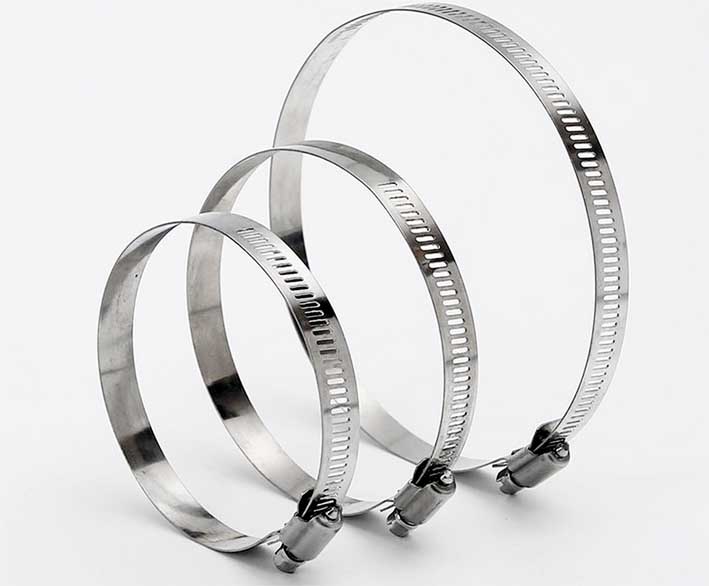
304 КАБЕЛЬНЫЕ СВЯЗКИ ИЗ НЕРЖАВЕЮЩЕЙ СТАЛИ МЕТАЛЛИЧЕСКИЕ СВЯЗКИ STRON СТЯЖКА-МОЛНИЯ ВЫХЛОПНАЯ ШИРИНА 10 мм
Устойчивый к УФ-излучению нейлон: Подходит для наружного применения или мест, подверженных воздействию солнечного света..
Длина и ширина:
Измерьте диаметр связки, которую нужно завязать, и выберите галстук достаточной длины, чтобы его можно было обернуть вокруг связки, с некоторой дополнительной длиной для продевания через запирающий механизм..
Более широкие связи обычно имеют более высокую прочность на разрыв., что делает их подходящими для более тяжелых грузов или больших связок.
II. Технические характеристики
Длина и ширина
Фиксация жгута проводов: выберите спецификацию 4×150;
2-3 жгуты проводов: выберите спецификацию 8×175;
Несколько жгутов проводов: 8Предпочтительна спецификация ×240, а спецификация 10×400 используется для временной фиксации при недостаточности;
Контроль расстояния
Расстояние между креплениями жгутов проводов шасси рекомендуется составлять 300–400 мм, чтобы избежать провисания или раскачивания.;
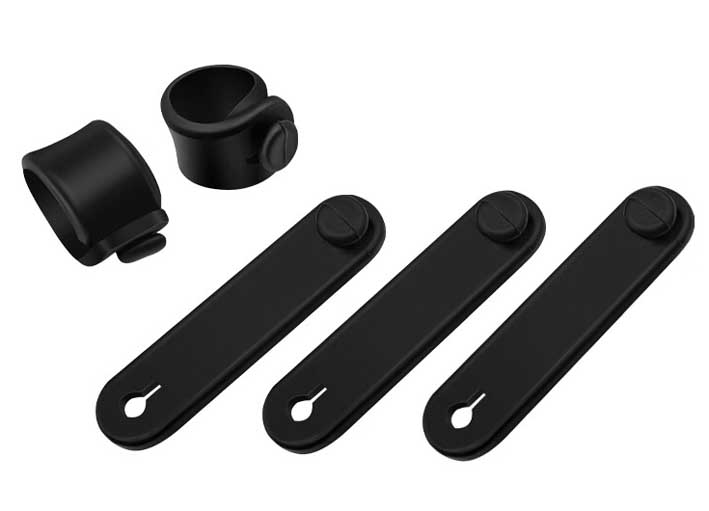
Резиновая лента для крепления рамы кабельными стяжками жгута проводов мотоцикла
Iii. Конструктивный тип
Кабельная стяжка типа «елочка»: Подходит для широкого диапазона толщины пластин. (0.8-3.5мм), но сила выдергивания мала, подходит для помещений с большим пространством;
Кабельная стяжка стреловидного типа: Высокая сила вытягивания и компактный размер., подходит для пластин толщиной 1,5-2,5 мм;
Тип приварной шпильки: Подходит для деталей без отверстий на корпусе., и для фиксации необходимы предварительно приваренные шпильки;
Тип карты из листового металла: Нет открывающейся конструкции, но листовой металл легко поцарапать, и для организма это не рекомендуется;
IV. Требования к прочности на растяжение
Минимальная прочность на разрыв: Оно должно достигать более 2 раз больше веса ремня, и дополнительное резервирование ≥50% рекомендуется для зон вибрации, таких как моторный отсек;
Запорный механизм: Предпочтительно выбирать самоблокирующуюся конструкцию с металлической вставкой, чтобы гарантировать 2 Зубы выступают после зацепления стопорных зубьев;
V.. Требования к установке
Остаточная длина после стрижки составляет ≤3 мм., и отсутствуют острые заусенцы;
Направление головки кабельной стяжки максимально вниз, чтобы снизить риск ослабления;
Специальные сцены (например, изогнутые трубопроводы) требуют дополнительных промежуточных точек крепления;
VI. Экологическая адаптивность
Защита от ультрафиолета: Для съемок на открытом воздухе выбирайте черные нейлоновые кабельные стяжки, содержащие УФ-стабилизаторы.;
Химическая коррозия: Рекомендуется использовать перфторалкокси. (ПФА) кабельные стяжки в таких местах, как топливопроводы;
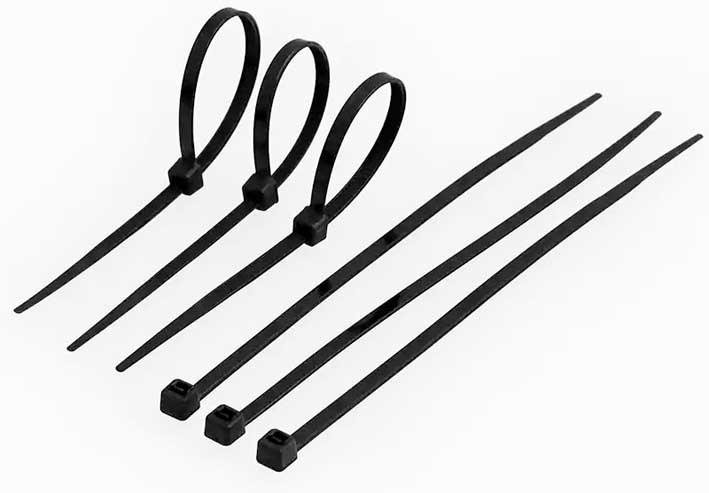
Пользовательская автокара
Предел прочности:
Предел прочности кабельной стяжки — это величина силы, которую она может выдержать, прежде чем сломается..
Выбирайте стяжку с прочностью на разрыв, соответствующей весу и нагрузке жгута проводов..
Условия окружающей среды:
Температура: Для высокотемпературных применений, выбирайте термостойкие стяжки.
УФ-воздействие: Для наружного применения или мест, подверженных воздействию солнечного света., выбирайте галстуки, устойчивые к ультрафиолету.
Коррозия: Для агрессивных сред, выбрать стяжки из нержавеющей стали.
Другие соображения:
Многоразовое использование: Многоразовые стяжки доступны для применений, где требуется многократное использование..
Специальные возможности: Рассмотрите возможность связи с идентификационными метками или другими специальными функциями, которые могут потребоваться для конкретных приложений..
Установка:
Убедитесь, что стяжка правильно установлена и затянута, чтобы предотвратить соскальзывание или поломку..
Используйте инструмент для установки кабельной стяжки для эффективного и последовательного затягивания..
Благодаря всестороннему рассмотрению вышеуказанных аспектов, безопасность, экономичность и удобство обслуживания можно сбалансировать для достижения надежной фиксации привязной системы..
С увеличением использования электрических и электронных компонентов и подсистем, правильное крепление кабелей — важный аспект проектирования системы, который часто упускается из виду.. Внутри оборудования или между системами, обеспечение безопасной прокладки кабелей, безопасность и эффективность имеют решающее значение для успеха и долговечности проекта., особенно в условиях высокой вибрации и суровых условий эксплуатации. Инженер по жгутам проводов в этой статье в основном рассказывает, как выбрать и применить правильные кабельные стяжки для жгутов проводов..
The challenge for designers is to find cable ties that meet application needs in terms of tensile strength, longevity, flexibility, chemical, vibration and ultraviolet (UV) radiation resistance. without over-engineering or compromising the integrity of the cable’s insulation and internal structure. This requires analyzing the many types of cable ties and various materials now available and differentiating them, fearing that choosing the wrong cable tie could end up costing much more than the purchase.
To alleviate these concerns, designers need to understand the nuances of cable ties and how to align their selection with application requirements. This article will outline the considerations for cable ties, the advantages of each type, and how to apply them effectively using real-life examples from Panduit Corporation.
Tie specifications
Cable ties, often called zip-ties or tie wraps, are available in a variety of lengths, widths, материалы, and colors. When bundling a wire bundle, the tie or tape portion should be wrapped around the wire bundle, pulling the loose end completely through the locking mechanism and tightening until the strap locking notch is securely engaged (Фигура 1).
Фигура 1: A typical cable tie showing the main components used to secure a cable bundle.
The cable tie may be constructed as a single piece with the locking barbs molded as part of the locking mechanism. In contrast, higher quality ties have a two-piece construction. In the two-piece design, corrosion-resistant stainless steel barbs are embedded into the lock head to grip the relatively smooth lacing surface. It is designed to provide a secure lock that is infinitely adjustable, as the barbs do not need to fit into the locking grooves.
The maximum diameter specification indicates the largest diameter wire bundle that the tie can accommodate. The bundling should be securely fastened without over-tightening and cutting or abrading the cable insulation. The length of tie used should allow for an extra point to engage the loose end in the locking mechanism.
The strength of a wrap is defined as the loop tensile strength (LTS) measured in pounds. LTS is the maximum force that can be exerted when the locking mechanism is engaged. The most common ties are between 18 pounds and 250 pounds.
LTS depends on the size of the tie and the material used. Material selection is primarily influenced by the environmental operating conditions the tie will experience. Considerations include:
Is it for internal or external use?
What is the expected temperature range?
Will it be exposed to water, масло, chemicals or vibration?
Например, Panduit’s PLT1.5M-M10 cable ties are part of the company’s PAN-TY@PLT series of ties. This line of cable ties is its largest and most comprehensive range, offering ties in a variety of colors, materials and construction types. The PLT1.M-M10 has a nominal length of 5.6 inches (inches), a rated maximum diameter of 1.25 inches, and a tensile strength of 18 pounds. Frenulas are classified by their cross-sectional area as extra-small, микро, or intermediate. The PLT1.M-M10 is a miniature tie with a one-piece construction design. It is made of nylon 6.6 and is suitable for indoor use.
As mentioned earlier, another common cable tie design consists of two pieces with a separate stainless steel barb that replaces the molded nylon barb in the one-piece design (Фигура 2).
Фигура 2: Single-piece fabrication with molded locking barbs (а) shown along with two-piece fabrication (беременный) using stainless steel barbs inserted after forming.
The aqua cable tie shown on the left in Figure 2 is one of the variants of Panduit’s PLT3S-C76 — PAN-TY@PLT series. It is made from ethylene tetrafluoroethylene (Эт) and is suitable for applications requiring chemical resistance, flame retardancy and radiation resistance. The cable tie on the right in Figure 2 is Panduit’s BT4S-M0, a member of the DOME-TOP BARB-TY BT series, manufactured with individual barbs. Кроме того, this series of ties features rounded heads and rounded edges to minimize wear on the wire insulation. The black color is achieved by adding carbon black to the nylon, which improves resistance to UV rays, making this color more commonly used in outdoor applications.
Cable ties are manufactured from a range of materials specific to the environment in which they are intended to be used. The basic lacing is molded from nylon 6.6. Nylon 6.6 offers high mechanical strength, stiffness, good heat resistance and reasonable chemical resistance. Variants include weather-resistant, heat-stable and flame-retardant nylon 6.6.
Various other materials are used to achieve specific tolerances. Например, the DT8EH-Q0 is designed for high strength as well as resistance to impact, химикаты, UV rays and weather. It uses acetal (polyoxymethylene, or POM), a range of materials including Delrin. It is 2.25 ноги (футов) long and has a tensile strength of 250 pounds. These cable ties are designed for harsh outdoor applications in the power and communications industries.
temperature range
The temperature range that a cable tie can withstand depends primarily on the materials used in its construction. Nylon 6.6 is rated for an operating temperature range of -76°F to +185°F. Heat-stable nylon 6.6 extends the upper end of the range to 212°F. PEEK has the highest temperature tolerance, with an upper temperature limit of 500°F.
special function
The Panduit CBR1M-M, part of the Contour-Ty Series, features a unique design that prevents damage to wire insulation or cable jacketing. It features a low-profile head design that uses parallel inlets to limit exposure of sharp edges and reduce snags, and features locking indentations on the outside of the strap (Фигура 3).
Фигура 3: The Contour-Ty Series uses a locking mechanism that is set at right angles to the strap section for parallel insertion and locks notches on the outside to prevent damage to the insulation.
HV9150-C0 push-in cable ties are made from weather-resistant nylon 6.6. Mechanically, it adopts a double-wedge design locking mechanism to achieve fixed locking and flexible locking (Фигура 4).
Фигура 4: The HV9150-C0 features an in-line design that allows parallel access to the locking mechanism to reduce the height of the cable bundle.
The releasable head allows for temporary binding before final locking. Indentations are molded into both sides of the strap, providing extra locking strength and greater flexibility. It has a length of 1.721 ноги, a beam diameter of 5.92 inches, and a tensile strength of 160 pounds.
SST1.51-M cable ties are 5.3 inches long and have a tensile strength of 40 pounds (Фигура 5). It is designed with a small head height for general bundling and through-panel applications. Its two-piece design has what Panduit claims is the lowest stringing force in the industry and is 14% lighter than a one-piece design. Кроме того, the straps are releasable before final tightening.
Фигура 5: The SST1.51-M two-piece design uses a floating ring to lock the strap to a toothed wedge. The ties can be loosened by pulling the collar back and bending the wedge away from the straps before final locking.
Where most cable ties have low stretch capabilities, the body of the Panduit ERT2M-C20 is designed to be flexible (Фигура 6).
Фигура 6: ERT2M-C20 elastic cable ties feature flexible straps that prevent over-tightening.
This type of zip tie is designed to conform to a bundle of wires or fiber optic cables to prevent over-tightening. It also has a high coefficient of friction that grips wires to prevent lateral movement. This removable cable tie is 8.5 inches long and has a tensile strength of 18 pounds. Like other ties in the range, it has a UL94V-0 flame retardant rating – meeting strict telecommunications flammability requirements – and is halogen-free and non-toxic.
The SG100M-M0 is suitable for use in maintenance, repair and overhaul environments as well as rough installation practices in the construction industry (Фигура 7).
Фигура 7: The SGM100M-M0 cable tie features a low mounting head height, flared neck, and tapered tip for easy threading.
It’s made from weather-resistant nylon 6.6, making it ideal for applications subject to intense UV exposure. It is 4.2 inches long and has a tensile strength rating of 18 pounds. Its thin, wide straps are designed to flexibly grip cable bundles and reduce lateral wire movement.
в заключение
Although cable ties are often considered relatively simple, designers need to carefully consider the many available options to ensure the most appropriate tie is used for the application. As shown, cable ties are available in lengths from inches to several feet, are compatible with a variety of environments, and have many features to meet the needs of a variety of applications.