 English
 العربية
 bosanski jezik
 Български
 Català
 粤语
粤语 中文(漢字)
 Hrvatski
 Čeština
 Dansk
Dansk Nederlands
 Eesti keel
 Suomi
Suomi Français
 Deutsch
 Ελληνικά
 עברית
עברית Magyar
 Italiano
 日本語
日本語 한국어
한국어 Latviešu valoda
 Bahasa Melayu
 Norsk
Norsk پارسی
پارسی Polski
 Português
 Română
 Русский
 Cрпски језик
 Slovenčina
 Slovenščina
 Español
 Svenska
 தமிழ்
தமிழ் ภาษาไทย
 Tiếng Việt

GM-ovi standardi za traku kabelskog snopa motora stroži su od standarda koji važe za cijelu industriju (kao što je QC/T 29106), konkretno u pogledu materijalne raznolikosti, raspon temperature, i zahtjeve izvedbe. Sljedeći su temeljni zahtjevi nakon sveobuhvatnog sažetka:
ja. Vrsta materijala i temperaturni stupanj
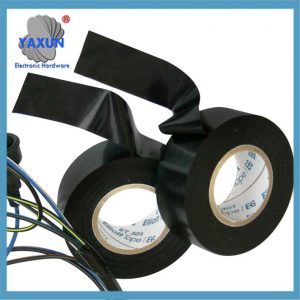 GM Tvornička traka za ožičenje OEM glatka |
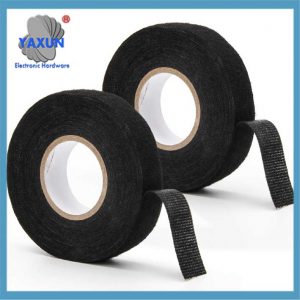 Fleksibilna flanelska traka za ožičenje od žičane folije – 15m, 9/19mm, Otporan na temperaturu |
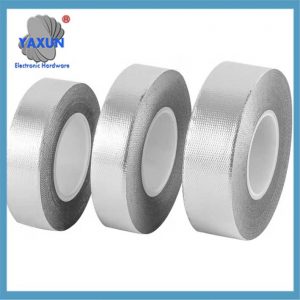 Traka za ožičenje otporna na visoke temperature – Silikonska traka |
Vrsta materijala
GM dopušta upotrebu PVC-a, PE, Pp, LJUBIMAC, aluminijska folija, GODIŠNJE, PE premazni materijali, i papirnate trake, itd., sa znatno više vrsta materijala od nacionalnog standarda (nacionalni standard je uglavnom PVC, LJUBIMAC, GODIŠNJE, itd.).
Raspon temperature
GM zahtijeva temperaturnu otpornost trake od -40℃~200℃, što je više od gornje granice nacionalnog standarda od -40 ℃ ~ 150 ℃ kako bi se ispunili zahtjevi okoline visoke temperature u motornom prostoru.
II. Ključni zahtjevi izvedbe
Otpornost na habanje
GM dijeli otpornost na habanje u A~G razrede, i potrebna su posebna ispitivanja za procjenu trajnosti trake u okolini trenja (nacionalna norma ne definira jasno razvrstavanje). Smanjenje buke
Flanel traka mora zadovoljiti razinu smanjenja buke koju definira GM (kao što je A/B razina) kako biste smanjili buku koju stvara kontakt između kabelskog svežnja i tvrdih materijala. Tolerancija okoline
Otpornost na kemikalije: Trebaju biti otporni na koroziju od ulja i kiselih tvari (zahtjevi okoline u motornom prostoru). Otpornost na vlagu/otpornost na visoke temperature: Potvrđeno testom stabilnosti na hladnoću (-40℃) i ispitivanje toplinskog starenja (simuliranje okoline visoke temperature za više od 10 godina). Zaštita okoliša i sigurnost
Nizak VOC/SVOC: Ograničite emisiju hlapljivih organskih spojeva i ispunite zahtjeve kvalitete zraka u vozilu. Otpornost na plamen: Potrebno je proći test širenja plamena kako bi se spriječio rizik od požara.
III. Standardi ispitivanja i dodatni zahtjevi Stavke ispitivanja
Dodatni zahtjevi GM-a Performanse atomizacije, sadržaj aldehida i ketona, test mirisa, test raspršivanjem vrućom vodom, itd., kako bi se osigurala dugotrajna stabilnost i sigurnost trake. Performanse prianjanja
Uključujući otpornost na guljenje, prianjanje baze trake, test savijanja, itd., kako biste osigurali da traka ne otpadne u okruženju vibracija.
IV. Tipične specifikacije trake
debljina: Uobičajeni 0,12 mm, 0.15mm, 0.2mm, itd. širina: Uglavnom 19 mm, 25mm, podrška prilagođenim potrebama. Duljina: Standard je 18m, 20m, 25m, itd.
Ukratko, GM standard trake za kabelski svežanj motora usmjeren je na raznolikost materijala, otpornost na visoke temperature, i strogim testiranjem performansi, vodeći računa o zaštiti okoliša i sigurnosti, što je znatno više od općih industrijskih specifikacija.
Ovaj članak je kineski prijevod standarda GM trake za kabelski svežanj GMW16740.
1-Uvod
BILJEŠKA: Ništa u ovom standardu ne zamjenjuje važeće zakone i propise.
Bilješka: U slučaju sukoba između engleskog i nacionalnog jezika, Engleski će prevladati.
1.1 Svrha: Ovaj standard utvrđuje dimenzije, ispitne metode i zahtjevi za trake za kabelski snop.
1.2 Primjenjivost: Ova se norma primjenjuje na sve kabelske snopove osobnih automobila i lakih i teških kamiona, omogućujući procjenu i odabir traka za ožičenje na temelju dane primjene. Navedeni temperaturni razredi, definiran u tablici 1, pokrivaju različita temperaturna područja koja se susreću u automobilima.
Stol 1: Razine temperature
Bilješka 1: Temperatura od -25 također je prihvatljiv za polivinil klorid (PVC). Vidjeti 4.8.4.
1.3 Bilješka: Ne postoji međunarodni ili nacionalni ekvivalent ovom standardu.
2-Referenca
Bilješka: Primjenjivi su samo najnoviji odobreni standardi, inače postoje posebne upute
2.1 Vanjski standardi/upute
2.3 Ostali referentni materijali
International Automotive Task Force (IATF), IATF 16949 možete pronaći na Independent Resource Locator (URL)
3-Priprema testa i ocjenjivanje
3.1 Resursi
3.1.1 Oprema: Prostor s kontroliranom temperaturom s utičnicama i internetskom vezom
3.1.1.1 Kalibriranje: Oprema za testiranje mora biti u dobrom radnom stanju i mora imati važeću kalibracijsku naljepnicu.
3.1.1.2 Alternative: Može se koristiti alternativna ispitna oprema. Međutim, sve mjerne varijable navedene u ovoj normi trebaju biti ispravno odabrane na temelju fizičkih definicija.
3.1.1.3 Termostat. Osim ako nije drugačije navedeno, kada je potreban termostat, to će biti termostat za topli zrak. Tip termostata trebao bi biti zrak pod pritiskom ili mehanička konvekcija. Gledajući sliku 1, zrak treba ući u pećnicu na takav način da struji preko površine ispitnog uzorka i izlazi blizu vrha pećnice. Na određenoj temperaturi starenja, termostat mora imati potpuni broj izmjena zraka ne manji od 8 i ne više od 20 na sat. Mjerenja ujednačenosti temperature i izmjene zraka opisana su u ASTM D5423 i ASTM D5374.
3.1.2 Oprema Vidi svaki pojedinačni test u poglavlju 4
3.1.3 Testni modeli/testni uzorci. Broj ispitnih uzoraka odražava se u svakom pojedinačnom ispitivanju. Dijelovi koji nisu u alatu za crtanje prototipa ne mogu se koristiti. Uklonite tri sloja trake s trake prije uklanjanja ispitnog uzorka. Za svaki set testova, ispitni uzorak ne može biti stariji od 6 mjeseci starosti na početku testa i ne smiju se prethodno koristiti u drugim testovima. .
3.1.4 Vrijeme testiranja
Ukupno razdoblje valjanosti: 125 dana
Vrijeme testiranja: 4400 sati
Koordinacija vremenskog kašnjenja: 80 sati IATF16949 na neovisnom lokatoru izvora (URL)
3.1.5 Informacije o zahtjevima za testiranje.
3.1.5.1 Osiguranje kvalitete proizvoda: Proizvođači traka moraju provoditi upravljanje kvalitetom u skladu s International Automotive Task Force (IATF), IATF 16949, koji se mogu pronaći na nezavisnom lokatoru izvora (URL), za obavljanje upravljanja kvalitetom. Odgovarajući statistički alati moraju se koristiti za analizu procesa i generiranje podataka kako bi se varijacije u konačnom proizvodu mogle kontinuirano smanjivati. Dobavljač trake mora uspostaviti multifunkcionalni tim (CFT) razviti plan kontrole i obraditi analizu načina kvara i učinaka (FMEA) za odobrenje od strane inženjerskih odjela i odjela za kvalitetu odgovarajućeg dobavljača kabelskog svežnja.
Proizvođači traka moraju razviti planove kontrole u sustavu, podsustav, razine dijelova i materijala prikladne za proizvod koji se isporučuje. U najmanju ruku, plan kontrole treba sadržavati sveobuhvatnu dokumentaciju. Dokumentacija treba uključivati karakteristike proizvoda/procesa, kontrole procesa, te ispitivanja i mjerenja koja se odvijaju tijekom masovne proizvodnje. Kada se proizvod ili proces promijeni, kada proces postane nestabilan, ili kada proces postane neučinkovit, plan kontrole treba revidirati i ažurirati.
Proces FMEA je pomoć koja osigurava da traka za kabelski svežanj nastavi održavati sve karakteristike performansi koje se mogu pronaći u specifikacijama. Treba ulagati napore u kontinuirano poboljšanje procesa za prevenciju nedostataka, a ne za otkrivanje nedostataka.
Komentar: IATF 16949 zahtijeva pouzdanu mjernu opremu. Budući da je većina traka opisanih u ovoj specifikaciji materijalno destruktivna mjerenja. Priprema uzorka uključuje visoku razinu složenosti, uvjeti okoline i učinci opreme. Budući da je ispitivanje polimernih materijala općenito vrlo varijabilno. Istovremeno, zamjena (R&R) zahtjev manje od 30% običnog IATF-a 16949 ne može se ispuniti. Zato što su to industrijski standardni testovi trake. Iako imaju nižu razinu performansi, mogu se koristiti.
3.1.6 Osoblje/vještine Tijekom ovog procesa, potrebna je odgovarajuća obuka za rukovanje instrumentom. Svaki test treba izvršiti stručno osoblje.
3.2 Priprema: Pogledajte svaki pojedinačni test u poglavlju 4
3.3 Uvjeti
3.3.1 Uvjeti okoliša Osim ako nije drugačije navedeno, sve ispitne uzorke treba staviti u okolinu na sobnoj temperaturi 23 °C ± 3 °C i relativna vlažnost zraka (RH) 45%-75% za barem 16 sati. Osim ako nije drugačije navedeno, svi testovi, osim "procesnih" testova, treba izvoditi na sobnoj temperaturi 23 °C ± 3 °C i relativna vlažnost zraka (RH) 45%-75%.
3.3.2 Uvjeti ispitivanja. Odstupanja od zahtjeva ove norme bit će prihvaćena. Ovi zahtjevi trebaju biti specificirani na crtežima dijela, potvrde o ispitivanju, izvješća, itd.
3.4. upute: pogledajte svaki pojedinačni test u poglavlju 4
3.5 Podaci. Vidjeti 3.7.1.
3.6 Sigurnost
Ovaj inženjerski standard može uključivati sigurnosne zahtjeve i opasne materijale, način rada i oprema. Ova norma ne predlaže rješavanje svih sigurnosnih pitanja u vezi s njegovom uporabom. Korisnici ovog standarda odgovorni su za osiguranje pridržavanja svih odgovarajućih sigurnosnih i zdravstvenih mjera. Ovaj dizajn sastanka zahtijeva posebnu obuku. Sigurnosni i zdravstveni standardi uključuju lokalna pravila i postupke, pravila i procedure tvrtke, i državni standardi. Trebalo bi uspostaviti vezu s odgovarajućim lokalnim tijelima za sigurnost i zdravlje radi pružanja daljnjih smjernica i smjernica o ovim pitanjima.
3.7 Dokumentacija: Uzorci dijelova ili materijala izdani ovim standardom moraju biti testirani na usklađenost sa zahtjevima ovog standarda i odobreni od strane odgovornog odjela GM-a prije početka otpreme dijelova i materijala na razini proizvodnje.
Sve promjene u dijelovima ili materijalima, kao što su dizajn, funkcija, performanse, proces proizvodnje i podrijetlo, zahtijevat će ponovno izdavanje proizvoda. Isključiva je odgovornost dobavljača da klijentima dobrovoljno dostavi dokumentaciju o svim promjenama ili promjenama proizvoda/procesa potrebnim za traženje novog izdanja proizvoda.
Ako ovo nije dogovoreno, cijeli verifikacijski test treba ponoviti i dokumentirati dobavljač prije otpreme modificiranog ili promijenjenog proizvoda. U nekim slučajevima, kraći test se može dogovoriti između odgovornog GM odjela i dobavljača.
3.7.1 Rezultati ispitivanja. Rezultati ispitivanja trebaju biti zabilježeni u izvješću o ispitivanju. Pogledajte Listu podataka A1 u Dodatku A. Uz usporedbu rezultata/podataka (odluke o prolazu/padu) zahtjevi, rezultati ispitivanja trebali bi uključivati barem sljedeće zahtjeve:
• Naziv dobavljača Naziv dobavljača
• datum
• Naziv proizvodaProductDesignation
• GM broj dijela GM broj dijela
• Međunarodni standardi podataka o materijalu (IMDS) Identifikacija (ID) Međunarodni standardi podataka o materijalu (IMDS) Identifikacija (ID)
• Temperature ClassTemperature Class
• Vrsta ljepila
• TestResult i tumačenje rezultata testa
Testove je potrebno provoditi učestalošću opisanom u Dodatku A, Tablica A1
4 Zahtjevi i postupci
4.1 Materijali: Trake trebaju ispunjavati zahtjeve ove norme za 6 mjeseci čuvati i zaštititi od izravne sunčeve svjetlosti. Boja trake treba biti definirana prema GMW3176. As long as other properties remain unchanged, the release of one color also indicates the others.
4.2 Labeling. Each roll of tape should be labeled with the supplier’s name.
4.2.1 GM Covering Naming Code System. For identification on engineering drawings, each individual roll of tape shall be coded as shown in Figure B1. Use attributes from tables B1 to B8
4.3 Dimenzija
4.3.1 Overall thickness: Testing shall be carried out in accordance with BS EN 1942. For compressive noise reduction tapes, testing should be performed in accordance with ISO 2286. The single value must not exceed the range given in Table C1 in Appendix C.
4.3.2 Tape width:
4.3.2.1 Test samples. Prepare two test samples each 450mm long.
4.3.2.2 Oprema: a steel ruler with a scale spacing of 0.5mm.
4.3.2.3 Procedure: Place the rubber surface of the test sample without tension or pressure on a hard, smooth surface. Measure the width with a steel ruler perpendicular to the edge at 3 similarly equidistant points along the length.
4.3.2.4 Result analysis. The width should be according to Table C1 of Appendix C. The width deviation should be ≤ ± 1mm
4.4 Tensile strength and elongation. The test shall be performed in accordance with ISO 29864, except that five specimens of the same width are prepared, each specimen 200 mm long. For tapes with a width > 25 mm, a 25 mm wide test specimen shall be cut vertically from the tape. Use a sharp knife to get a clean cut edge. For an explanation of the test results, see Table C1 in Appendix C.
4.5 Unwinding force: The test shall be performed in accordance with EN 1944. For analysis of the test results, please see Table C1 in Appendix C. Record the average force. BILJEŠKA: Unwinding force should be agreed upon between the tape supplier and the wire harness supplier.
4.6 Peel Force: Testing shall be performed in accordance with ISO 29862, Process 1,180 Degree (°) Test.
4.6.1 Test samples. Prepare 3 sets of samples with the same width, each sample is 300mm long. For tapes with a width > 25 mm, a 25 mm wide test specimen shall be cut vertically from the tape. Use a sharp knife to get a clean cut edge. .
4.6.2 Process: Peel viscosity is reflected by tape width N/25 mm
4.6.3 Analysis of test results. See Table C1 in Appendix C
4.7 Adhesion to tape base: This test shall be performed in accordance with ISO 29862, Process 2, 180° test for adhesion to tape base. Peel viscosity is expressed in tape width N/25 mm
4.7.1 Test samples: Prepare 3 sets of samples with the same width, each sample is 300mm long. For tapes with a width > 25 mm, a 25 mm wide test specimen shall be cut vertically from the tape. Use a sharp knife to get a clean cut edge. .
4.7.2 Analysis of test results. See Table C1 in Appendix C.
4.8 Bending test.
4.8.1 Bending test after short-term aging
4.8.1.1 Test samples: Prepare 3 sets of test samples, each sample consists of 16 0.35mm2 insulated wires (ISO thin wall) 0.35mm2 or 12 0.5mm2 insulated wires. All insulated conductors (kabeli) required for testing should be tetrafluoroethylene and ethylene copolymer (ETFE). When testing tapes in the F, F, G, H temperature classes listed in Table 1, contact the responsible GM department to inquire what type of wire should be used in the test. The length of the wire is 600mm. Wires should be tightly wound and bundled. The tape should be wrapped around the test specimen from the bottom, with each wrap following one another covering one-half the width of the tape from the previous wrap. See Figure 2.
4.8.1.2 Procedure: Test samples should be stored at room temperature and relative humidity for ≥ 24 h, see 3.3.1. Place the test sample vertically in a convection thermostat for 240 sati. The thermostat is shown in Table 1. Test samples are ≥ 50 mm apart from each other and from the inner surface of the thermostat. After aging, the test specimens should be stored for 6 hours at a temperature of 23 °C ± 3 °C and wound on a 30 mm mandrel at the same temperature. The test specimen should be bent 720°. The time to bend 360° should be <5 s, and the time to hold the sample in this position should be > 60 s. The test samples were then visually inspected.
4.8.1.3 Analysis of test results: The test sample is not allowed to have any glue overflow, pucanje, loosening, or other failures.
4.8.2 Bending test after long-term aging
4.8.2.1 Test sample: Vidjeti 4.8.1.1, međutim, the structure of the test sample shall be as shown in Table 2.
Stol 2: Types of wires used for long-term aging bend testing and humidity effects
Bilješka 1: Type of wire insulation: ETFE = Ethylene Tetrafluoroethylene; FEP = Fluorinated Ethylene Propylene; PVC = Polyvinyl Chloride, XLFE = Cross-linked Fluorinated Ethylene (cross-linked fluoroethylene); XLPE = Cross-linked Polyethylene (cross-linked polyethylene); XLPO = Cross-Linked Polyolefin (cross-linked polyolefin).
4.8.2.2 Procedure: Test samples should be stored at room temperature and relative humidity for ≥ 24 h, see 3.3.1. Place the test sample in a forced air or convection oven No. 3000. See Table 1 for the thermostat. The test samples are ≥ 50mm apart from each other and from the inner surface of the thermostat. Test samples composed of different tape materials should not be measured at the same time. After aging, the test specimens should be stored for 6 hours at a temperature of 23 °C ± 3 °C and wound on a 30 mm diameter mandrel at the same temperature. The test specimen should be bent 720°. The time to bend 360° should be <5 s, and the time to hold the sample in this position should be > 60 s. The test samples were then visually inspected.
4.8.2.3 Analysis of test results: The test samples are not allowed to have any glue overflow, pucanje, loosening, or other failures.
4.8.3 Bending test after overload temperature aging.
4.8.3.1 Test sample. Vidjeti 4.8.1.1, but the insulation material of the wires for this test should be ETFE.
4.8.3.2 Procedure: Test samples should be stored at room temperature and relative humidity for ≥ 24 h. Vidjeti 3.3.1. Place the test sample vertically in a hot oven for 6 h. See Table 1 for temperatures. Test samples are ≥ 50 mm apart from each other and from the inner surface of the thermostat. After aging, the test specimens should be stored for 6 hours at a temperature of 23 °C ± 3 °C and wound on a 30 mm diameter mandrel at the same temperature. The test specimen should be bent 720°. The time to bend 360° should be < 5 s, and the time to hold the sample in this position should be > 60 s. The test samples were then visually inspected.
4.8.3.3 Analysis of test results: The test sample is not allowed to have any glue spillage, pucanje, loosening, or other failures.
4.8.4 Cold bending test
4.8.4.1 Test samples: Prepare 3 groups of samples. Each group of samples consists of two mutually twisted wires with a size of 0.35mm2. All wire insulation for this test should be ETFE or FEP.
4.8.4.2 Oprema. Cold room
4.8.4.3 Procedure: The test sample should be stored at a temperature of -40 °C for at least 4 sati, and then wound on a mandrel with a diameter of 30 mm at the same temperature (-40 °C). The test specimen should be bent 720°. The time to bend 360° should be < 5 s, and the time to hold the sample in this position should be > 60 s. The test samples were then visually inspected. If the PVC tape fails the test at -40 °C, this test can be performed at -25 °C.
4.8.4.4 Analysis of test results: The test samples are not allowed to have any glue overflow, pucanje, loosening, or other failures.
4.8.5 Bending test after humidity effect
4.8.5.1 Test sample: see 4.8.1.1, but the structure of the test sample should be as shown in Table 2
4.8.5.2 Procedure. The test samples shall be stored for 900 h in a climate-simulated cubicle with a relative humidity of 95% ±5% and a temperature of +70 °C. After aging, the test specimens should be stored for 6 hours at a temperature of 23 °C ± 3 °C and wound on a 30 mm diameter mandrel at the same temperature. Then perform a visual inspection.
4.8.5.3 Analysis of test results: The test samples are not allowed to have any glue overflow, pucanje, loosening, or other failures.
4.9 Wear resistance.
4.9.1 Needle Wear Resistance. This test is done in accordance with ISO6722-1, with modifications from 4.9.2 do 4.9.4
4.9.2 Test sample: 100mm tape should be wrapped around a mandrel with a diameter of 5.0 mm ± 0.1 mm, and the mandrel should be placed in the equipment. The tape should be wrapped from the bottom of the mandrel, and the tape should be wrapped around the test specimen from the bottom, with each wrap following one another covering one-half the width of the tape from the previous wrap. Ten sets of test samples should be prepared.
4.9.3 Equipment/Process. Equipment should:
• Record the number of cycles before failure, stopping when the needle wears the insulation and maintaining contact with the needle.
• With a direct 0.45 mm ± 0.01 mm needle consisting of spring wire according to ISO 6931-1
• Applied vertical force: 7 N ± 0.05 N
• Operate at 55 cycles/minute ± 5 cycles/minute. Bilješka: A cycle should contain a reciprocating motion
• Wear length should be 15 mm ± 1 mm
•Under dynamic conditions, a sustained vertical force is generated on the test specimen
• The test sample is not allowed to move during the test. If clamping is required, the longitudinal force exerted on the connector must not exceed 100 N/mm2
• Have a stable base
• Tested at 23 °C ± 1 °C
Repeat this process to read 10 sets of data, but need to replace the needle after each test.
Perform one test on each sample in the 10 groups. And when the needle wears the insulation layer and remains in contact with the needle, the number of cycles is determined. 4.9.4 Analysis of test results. The test specimen shall withstand the minimum number of cycles of Table C1 of Appendix C without being switched. If the test results are compared to the parameters of the tube or sleeve, note that the tape usually has a 50% overlap, to jest, a double layer
4.10 Resistant to liquid chemicals
4.10.1 Bending test after immersion in fluid. Adhesive tape used in exposed areas shall resist incidental contact with chemicals and motor vehicle fluids. Only tapes of temperature classes C, D, E and higher need to be measured.
4.10.2 Test sample: Two wires with a cross-sectional area of 0.35mm2 and the same temperature grade as the tape are twisted together and wrapped with 50% overlap of the tape, and are used for testing. For each fluid test, prepare 3 sets of 300mm long samples.
4.10.3 Procedure: Immerse the test sample in the test fluid in Table 3 za 5 minuta. For battery acid, the test sample should be immersed for 5 sekundi. This can be done by making the sample into a “U” shape and leaving both ends of the sample outside the test fluid. Diesel and gasoline are dipped or sprayed onto the sample until the liquid begins to drip. Store the test samples in the thermostat for 48 sati. The temperature of the thermostat is shown in Table 3. After that time, remove the samples and store them at room temperature for 3-16h. Wrap each set of test samples on a mandrel with a diameter of 20 mm, and visually inspect each sample for cracks, tears, and sol. Unwrap the wires, wrap them around a 2mm mandrel, and visually inspect the wire insulation for cracks, tears, or melting.
Stol 3: Media for fluid resistance chemical testing