 English
 العربية
 bosanski jezik
 Български
 Català
 粤语
粤语 中文(漢字)
 Hrvatski
 Čeština
 Dansk
Dansk Nederlands
 Eesti keel
 Suomi
Suomi Français
 Deutsch
 Ελληνικά
 עברית
עברית Magyar
 Italiano
 日本語
日本語 한국어
한국어 Latviešu valoda
 Bahasa Melayu
 Norsk
Norsk پارسی
پارسی Polski
 Português
 Română
 Русский
 Cрпски језик
 Slovenčina
 Slovenščina
 Español
 Svenska
 தமிழ்
தமிழ் ภาษาไทย
 Tiếng Việt

Sikringsboksselen involverer hovedsageligt sikringsholdere, sikringsbokse og relaterede selekomponenter. Funktioner og strukturer af sikringsholdere og sikringsbokse. Sikringsholdere bruges til at installere sikringer og yde overbelastningsbeskyttelse. Sikringsboksen er et sted til central styring af flere sikringer.
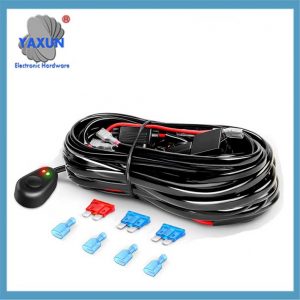 16AWG Automotive Blade Sikring 12V LED Pod Light Ledningssæt 2 Ledninger Med On-Off Vippekontakt Relæ |
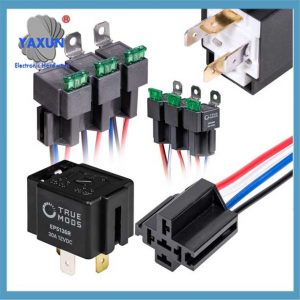 6 5 Stiftsikringsrelækontakt ledningsnetsæt SPDT 14AWG 30A 12V Hot Fuse Wire US |
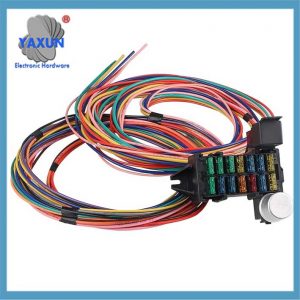 14 Kredsløbsledningssæt, Professionelt universal ledningsnet, Bil ændring |
Vejledning til analyse og valg af sikringsboks
jeg. Kernestruktur og funktion
Sikringsboks og ledningskomponenter
Sikringsboks: Fremstillet af højtemperaturbestandigt plast- eller metalmateriale, den integrerer flere sikringsåbninger til centralt at styre sikringer i forskellige kredsløb for at sikre, at en enkelt kredsløbsfejl ikke påvirker det overordnede system67.
Selesamling: Indeholder strømledning, signalledning og jordledning. Nogle avancerede modeller integrerer relæmoduler for at understøtte multikredsløbsstyring (såsom 12-vejs og 20-vejs). Nøglekomponenter
Sikringsholder: Sikringen er fastgjort med ledende materialer (såsom zinklegering) og har en indbygget sikringsmekanisme. Den vil smelte sammen for at afbryde strømmen, når den er overbelastet.
Beskyttende design: For eksempel, Jiangsu Chezhilians patenterede fikseringsramme for ledningsnet (CN 222727944 U) forhindrer kabler i at bøje eller komme i kontakt med varmekilder gennem justerbare vinkler og grænsestøttestænger.
2. Udvælgelse og tilpasningsevne
Parametermatchning
Nuværende kapacitet: Det skal vælges i overensstemmelse med belastningsstrømmens karakteristika. Kredsløb, der indeholder stødstrøm, skal desuden kontrollere sikringens levetid (såsom 12V modificeret ledningsnet tilpasset 1A-100A sikring).
Antal sløjfer: Fælles specifikationer omfatter 12, 15, og 20. Nye energimodeller kræver et større antal sløjfer (såsom 36-vejs sikringsboks sele).
Scenarietilpasning
Konventionelle modeller: Universal sikringsboks sele (såsom Volkswagen V80 instrumentsele) skal matche den originale køretøjsgrænseflade (såsom ACC strømforsyning F19, F20).
Ændringskrav: Udstyr med høj effekt (såsom lyd, inverter) skal være udstyret med højstrømssikringer (såsom MAXI type 20A-100A) og multikredsløbsseler.
3. Installations- og vedligeholdelsesspecifikationer Installationsproces Sluk-funktion: Afbryd køretøjets strømforsyning før installation for at undgå elektrisk stød eller beskadigelse af komponenter.
Linjeforbindelse:
Netledningen er tilsluttet den normale strøm (såsom taglyssikringen F1/F22) og ACC-strømforsyningen (såsom cigarettænderen F19).
Signallinjen matches af farve (såsom køretøjets hastighedssignal forbundet til ABS-modulets ben 10 eller ECU-stiften 19). Test verifikation: Brug et multimeter til at registrere kontinuiteten, og test funktionen (såsom instrumentpanelets display) efter genoprettelse af strømmen. Krav til ledningsnet Fixeringsafstanden til ledningsnettet skal være rimelig, gevindkappen bruges ved det gennemgående hul, og de skarpe dele er beskyttet af gummi. Sikringsboksen er adskilt og fastgjort fra oliekredsløbet for at undgå interferens eller sikkerhedsfarer.
Iv. Markeds- og teknologitendenser
Mainstream-produkter
Universal type: Alibaba platformen leverer 12-vejs og 15-vejs sikringsboksseler, med priser fra 0.18 til 225 yuan/styk, og understøtter tilpasning (såsom specielle seler til nye energikøretøjer).
Intelligent opgradering: Halvlederchips erstatter traditionelle sikringer (såsom smarte sikringsbokse), reducere volumen med 15% og vægt pr 20%.
Teknologiudvikling
integration: Domænecontroller-arkitekturen erstatter gradvist distribuerede ledninger for at reducere antallet af kabler (såsom L3 autonome kørselsmodeller).
Modularitet: Den justerbare fikseringsramme patent (CN 222727944 U) understøtter fleksibel tilpasning til det indvendige rum og reducerer vedligeholdelsesomkostningerne.
V. Købsforslag
Priority matching model: Ved køb, afklare den originale bilårgang og centralstyringsmodel (som Volkswagen V80 kræver en speciel sele).
Bekræft overholdelse: Sørg for, at produktet har bestået UL- og RoHS-certificering og opfylder standarderne for flammehæmmende ydeevne.
Ovenstående indhold integrerer tekniske dokumenter, patenter og markedsproduktparametre, dækker strukturen, udvælgelse, installation og teknisk udviklingsretning af sikringsboksens ledning.
Sikringssele
DeepSeek-R1 fuldblodsversion Svar afsluttet
Dyb tænkning afsluttet Det tog 24 sekunder at søge 22 materialer på hele netværket
Automotive sikringsseleanalyse og tekniske punkter
1. Kernefunktioner og beskyttelsesmekanismer
Kredssikkerhedsbeskyttelse Sikringen er forbundet i serie til opstrøms for kredsløbet, og sikringen afbryder strømmen, når den overbelastes eller kortsluttes gennem smelteegenskaberne for at forhindre ledningen i at overophedes og antænde. Hurtigt virkende sikringer (BF) er velegnede til kortvarige pulsstrømme (såsom lys og modstandsbelastninger), og langsomt virkende sikringer (SBF) bruges til højstrømsscenarier (såsom motorbelastninger). Systemuafhængighed Hvert kredsløb er udstyret med en uafhængig sikring for at sikre, at en enkeltkredsfejl ikke påvirker driften af køretøjets elektriske system.
2. Strukturelt design og innovativ teknologi
Vandtæt sikringsstik
Great Wall Motors patent (CN 222705960 U): Det vedtager et kombinationsdesign af base, sikringsstik og dæksel, og spændedelen samarbejder med dækslets indervæg for at forbedre tætningen og løse problemet med funktionssvigt i et fugtigt miljø1.
Applikationsscenarier: motorrum, chassis og andre områder, der er modtagelige for vanddamperosion.
Hjulselesamling, der er modstandsdygtig over for høje temperaturer
Changchun Volkswagen patent (CN 222705197 U):
Den beklædte ledning bruger et aluminiumsfolielag til at isolere den eksterne varme, med et temperaturområde på -40℃~200℃ og understøtter 600V spænding.
Det dynamiske område fikseres ved sprøjtestøbning, og det statiske område er fikseret med kabelbindere/stifter for at udvide ledningsrummet.
3. Parametervalg og matchende specifikationer
Beregning af sikringskapacitet
Nominel strøm: Bestemt i henhold til belastningsegenskaberne (inklusive stødstrøm) og omgivende temperatur, og sikringens levetid skal verificeres.
Tråddiameter matchende: Sørg for, at ledningsrøgtiden er senere end sikringens blæsetid, og kortslutningsstrømmen skal udløse sikringen hurtigt.
Specifikationsklassifikation
Hurtigblæsende type (1A-30A) og slow-blow type (20A-100A) vælges i henhold til belastningstypen, og farveidentifikation hjælper med hurtig identifikation.
Iv. Installations- og vedligeholdelseskrav indpakningsproces
Motorrummets ledningsnet er pakket ind med et gevindrør eller korrugeret rør, under hensyntagen til slidstyrke og flammehæmning; instrumentets ledningsnet kan pakkes helt ind eller blomsten omvikles med tape.
Afgreningsdelen skal fastgøres med krydsomviklet tape for at forhindre ledningsnettet i at vride eller aftage i enden.
Fejlfinding
Hyppige sikringer skal kontrollere, om belastningseffekten er over grænsen, og udskift den originale sikring med den samme farvekode først.
V. Teknologiudviklingstendens Stærkt integreret beskyttelse: Såsom det modulære clip-on design af Great Walls patent, hvilket forenkler vedligeholdelsesprocessen og forbedrer tætningen1.
Modstandsdygtig over for ekstreme miljøer: Aluminiumsfolie lag + dobbeltlags kappestruktur (Changchun Volkswagen patent) understøtter højspændings- og højstrømskravene til nye energikøretøjer.
Eksempler på almindelige produktkonfigurationer
Vandtæt sikringsudtag, snap-on tætningsdesign: IP67 beskyttelsesniveau for motorrum/chassis ledningsnet
Note: Ovenstående indhold integrerer patentinnovation, valgstandarder og installationsspecifikationer, dækker det funktionelle design, teknologiopgradering og ingeniørpraksis af sikringsledningsnettet.
Før du diskuterer, hvordan man designer en sikringsboks, lad os først tale om matchning af ledninger og sikringer. Dette vil også hjælpe os med bedre at forstå sikringsboksproblemet senere.
Først, we need to determine the capacity of the fuse based on the current characteristics of the load and the working environment of the fuse, and then calculate the required wire diameter based on the load characteristics and the environment of the wiring harness. For circuits protected by fuses, it is necessary to confirm the matching between the wiring harness and the fuse before determining the wire diameter.
The calculation of fuse capacity is actually the calculation of rated operating current. Imidlertid, if the load contains inrush current, the inrush current needs to be calculated. After the capacity is initially determined, the life of the fuse is checked for the inrush current until its capacity is finally determined.
Rough selection can be divided into:
-en. Fuse capacity > working current of electrical appliance or motor stall current (generally < 70% of fuse capacity)
b. Wire capacity > fuse capacityelectrical appliance (generally <85% of capacity at wire grade temperature)
c. Switching capacity > fuse capacityelectrical appliances (generally <85% of switching capacity)
d. Relay capacity > fuse capacity electrical appliances (generally < 85% of relay capacity)
e. Connector terminal > fuse capacityelectrical appliance (generally <85% of terminal capacity)
The calculation of wire diameter starts with the calculation of the rated current, which needs to consider the load characteristics, the ambient temperature of the wire harness, and the number of power loops in the same branch wire harness. For circuits protected by fuses, a matching calculation is required to ensure that the time it takes for the conductor to start smoking is greater than the time it takes for the fuse to blow. Endelig, check the short-circuit current to ensure that the short-circuit current is enough to cause the fuse to blow in time when a fault occurs.
Fuse selection:
In electrical circuits, the main function of fuses is to protect wires. If there is a current flowing through it, it will reach its fusing temperature within a period of time and interrupt the circuit.
The time it takes for a fuse to blow is related to its own temperature rise, which depends on the ratio of rated current/rated power (I/IF): the larger this value, the faster the fuse will blow.
The characteristics of a fuse are composed of two curves, and there are relevant standards (DIN, ISO, JASO)
Let’s give an example to illustrate how this curve is represented:
For 30A current, this fuse will blow in 0.15s to 5s.
For 90A current, this fuse will blow in 0.02s to 0.10s.
According to the speed of fusing time, they can be divided into fast-blow fuses and slow-blow fuses.
Choice of wire type:
The wire type used in wire harness design focuses on the environment and function of the wire harness. For eksempel: the ambient temperature around the engine is high, and there are a lot of corrosive gases and liquids. Derfor, be sure to use high-temperature-resistant, oliebestandig, vibration-resistant, and friction-resistant wires. The wires on the trunk lid must maintain their elasticity at low temperatures, so cold elastic wires must be used to ensure their normal operation. The wires on the automatic transmission must be resistant to high temperatures and hydraulic oil, and their temperature stability must be good. Weak signal sensors should use shielded wires, such as knock sensors, crankshaft position sensors, ABS wheel speed sensors, etc. The door inner wire has high bending resistance requirements.
The ambient temperature of the car plays a vital role in the selection of wires. Each area on the vehicle has its own ambient temperature, typically 85°C for the cabin area and 105°C for the engine compartment. But each car manufacturer has its own ambient temperature standards.
The wires commonly used in automobile wiring harnesses usually use multi-stranded copper wires, and the insulation is PVC insulation material. The wires used in wiring harnesses must be temperature-resistant, oliebestandig, slidstærkt, vandtæt, anti-corrosion, anti-oxidation, and flame-retardant.
Commonly used wire types in automotive wiring harnesses include Japanese standards (AVSS, etc.), national standards (QVR), German standards (FLRY), American standards and other series. AVSS (AVS) wires are characterized by thin insulation and good flexibility. QVR is characterized by thick insulation, relatively soft and good ductility. German standard wire insulation is thinner and more flexible. American standard wire insulation is generally made of thermoplastic or thermosetting elastomer, and some are processed by irradiation technology. Appropriate types of wires can be selected according to user needs and different working environments.
Calculation of wire diameter
After determining the capacity of the fuse, you can calculate and select the wire diameter. First determine the material of the wire according to the ambient temperature of the wiring harness and then calculate the required wire diameter. Generally divided into two situations: no fuse protection and fuse protection. Circuits without fuse protection are generally non-power supply circuits such as signal connections. When designing, it is necessary to consider the rated operating current, the voltage drop due to line impedance, and the temperature rise of the pulse current.
For lines protected by fuses, in addition to the above calculations, it is also necessary to check the matching of the wiring harness and the fuse and check the short-circuit current. The algorithm is as follows.
The general approach is to make the fusing characteristic curve of the fuse based on the wire smoke characteristic curve. If the abscissa is current and the ordinate is time, the heating characteristic curve of the wire should be above the fusing characteristic curve of the fuse without crossing. Det vil sige, the heating time of the wire under any heating current must be greater than the fusing time of the fuse.
Faktisk, for ordinary vehicle low-voltage fuses and wiring harnesses, to meet the above conditions, you only need to ensure that the maximum current of the wire without smoke is greater than the minimum melting current of the fuse.
The minimum melting current of a fuse is generally calculated as 135% of the rated current of the fuse.
For the verification of short-circuit current, calculate the impedance of the wire according to the length of the wire, plus the impedance of the node, which is the total impedance of the loop, and then calculate the short-circuit current from this. To ensure that the fuse can be completely disconnected in the event of a short circuit, the general short-circuit current value should be greater than 350% of the fuse’s rated current. If the value is lower than this value, test verification or re-selection of wires is required.