 English
 العربية
 bosanski jezik
 Български
 Català
 粤语
粤语 中文(漢字)
 Hrvatski
 Čeština
 Dansk
Dansk Nederlands
 Eesti keel
 Suomi
Suomi Français
 Deutsch
 Ελληνικά
 עברית
עברית Magyar
 Italiano
 日本語
日本語 한국어
한국어 Latviešu valoda
 Bahasa Melayu
 Norsk
Norsk پارسی
پارسی Polski
 Português
 Română
 Русский
 Cрпски језик
 Slovenčina
 Slovenščina
 Español
 Svenska
 தமிழ்
தமிழ் ภาษาไทย
 Tiếng Việt

Følgende er en omfattende veiledning for valg av buntebånd:
jeg. Materialvalg
Nylon materiale: Generelt egnet for miljøer mellom -40 ℃ og 85 ℃, med korrosjonsbestandighet, selvlåsende og isolasjon. For områder med høye temperaturer som motorrommet, du må velge nylonkabelbånd som inneholder varmebestandige komponenter (temperaturmotstand opp til 105 ℃).
ingeniørplast: Slik som Wintone Z63-materiale, med høyere stivhet, lav vannabsorpsjon og kjemisk korrosjonsbestandighet, egnet for komplekse arbeidsforhold.
Materiale i rustfritt stål: Egnet for scener som trenger å motstå høyere temperaturer (slik som >105℃) eller svært korrosive miljøer.
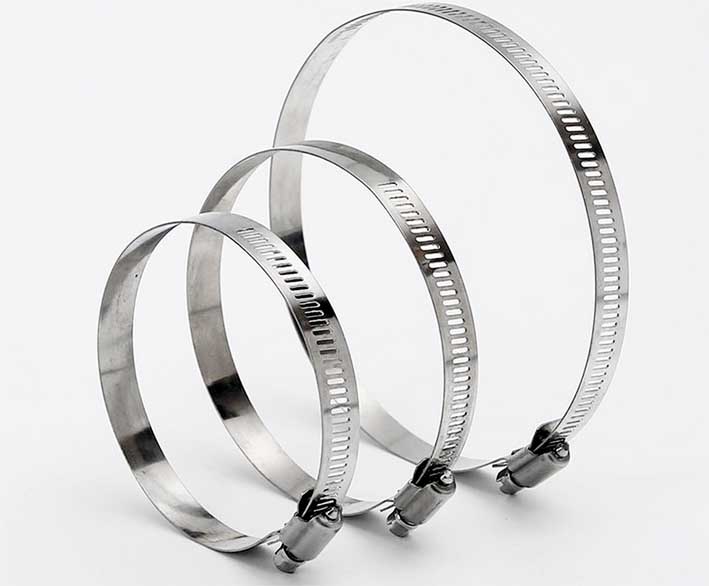
304 RUSTFRITT STÅL KABELBINDER STRON METALL TIE WRAPS ZIP TIE EKSOS BRED 10mm
UV-bestandig nylon: Egnet for utendørs bruk eller områder utsatt for sollys.
Lengde og Bredde:
Mål diameteren på bunten som skal knytes og velg et bånd som er langt nok til å vikle rundt bunten med litt ekstra lengde for å tre gjennom låsemekanismen.
Bredere bånd har generelt høyere strekkfasthet, gjør dem egnet for tyngre last eller større bunter.
Ii. Spesifikasjoner
Lengde og bredde
Enkelt ledningsnettfeste: velg 4×150-spesifikasjonen;
2-3 ledningsnett: velg 8×175-spesifikasjonen;
Flere ledningsnett: 8×240 spesifikasjon er foretrukket, og 10×400-spesifikasjonen brukes for midlertidig fiksering når det er utilstrekkelig;
Avstandskontroll
Festeavstanden mellom chassisets ledningsnett anbefales å være 300-400 mm for å unngå henging eller svaiing;
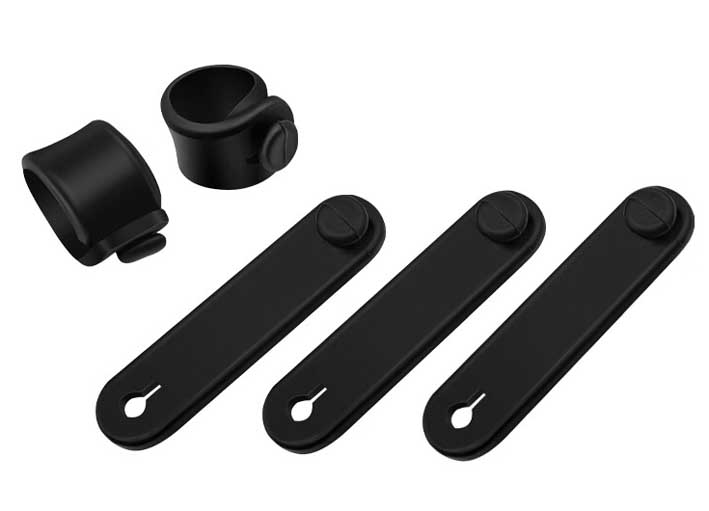
Gummibånd for rammesikring av kabelbånd Motorsykkelledningsnett
Iii. Strukturell type
Kabelbinder av gran-type: Den er egnet for et bredt spekter av platetykkelser (0.8-3.5mm), men uttrekkskraften er lav, egnet for områder med god plass;
Kabelbinder av piltypen: Høy uttrekkskraft og kompakt størrelse, egnet for platetykkelser på 1,5-2,5 mm;
Type sveisestift: Egnet for deler uten åpninger på kroppen, og forhåndssveisede bolter kreves for fiksering;
Platekorttype: Ingen åpningsdesign, men det er lett å skrape opp metallplaten, og det anbefales ikke for kroppen;
IV. Krav til strekkfasthet
Minimum strekkfasthet: Den må nå mer enn 2 ganger vekten av selen, and ≥50% additional redundancy is recommended for vibration areas such as the engine compartment;
Locking mechanism: Preferentially choose a self-locking structure with a metal insert barb design to ensure that 2 teeth protrude after the locking teeth are engaged;
V. Installation requirements
The residual length after shearing is ≤3mm, and sharp burrs are avoided;
The direction of the cable tie head is as downward as possible to reduce the risk of loosening;
Special scenes (such as curved pipelines) require additional intermediate fixing points;
VI. Miljøtilpasningsevne
Ultraviolet protection: Choose black nylon cable ties containing UV stabilizers for outdoor scenes;
Chemical corrosion: It is recommended to use perfluoroalkoxy (PFA) kabelbånd i områder som drivstoffledninger;
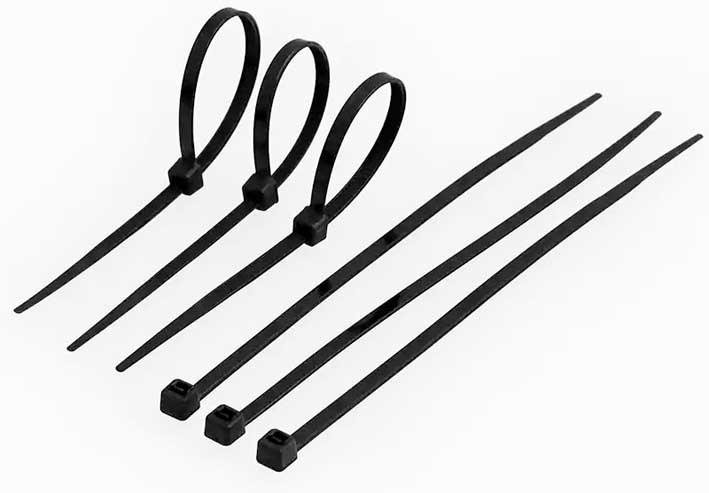
Tilpasset bil Bil Bil ledningsnett Slangefestespenne Selvlåsende nylon buntebånd
Strekkstyrke:
Strekkfastheten til et kabelbånd er mengden kraft den tåler før den brytes.
Velg et slips med en strekkstyrke som passer for vekten og påkjenningen til ledningsnettet.
Miljøforhold:
Temperatur: For høytemperaturapplikasjoner, velg varmebestandige bånd.
UV-eksponering: For utendørs bruk eller områder utsatt for sollys, velg UV-bestandige slips.
Korrosjon: For korrosive miljøer, velg bånd i rustfritt stål.
Andre hensyn:
Gjenbrukbarhet: Gjenbrukbare bånd er tilgjengelige for applikasjoner der gjentatt bruk er nødvendig.
Spesielle funksjoner: Vurder bånd med identifikasjonsmerker eller andre spesialfunksjoner som kan være nødvendig for spesifikke applikasjoner.
Installasjon:
Sørg for at båndet er riktig installert og strammet for å forhindre glidning eller feil.
Bruk et monteringsverktøy for kabelbånd for effektiv og konsekvent tiltrekking.
Gjennom den omfattende vurderingen av dimensjonene ovenfor, sikkerhet, økonomi og vedlikeholdskomfort kan balanseres for å oppnå pålitelig fiksering av selesystemet.
Med økende bruk av elektriske og elektroniske komponenter og delsystemer, riktig sikring av kabler er et viktig aspekt ved systemdesign som ofte blir oversett. Enten innenfor utstyr eller mellom systemer, sørge for at kabler føres trygt, sikkert og effektivt er avgjørende for suksessen og levetiden til et design, spesielt i applikasjoner med høy vibrasjon og tøffe miljøer. Denne artikkelens ledningsnettingeniør introduserer hovedsakelig hvordan du velger og bruker de riktige kabelbåndene for ledningsnett.
Utfordringen for designere er å finne buntebånd som tilfredsstiller bruksbehov når det gjelder strekkfasthet, lang levetid, fleksibilitet, kjemisk, vibrasjon og ultrafiolett (UV) strålingsmotstand. uten å overkonstruere eller kompromittere integriteten til kabelens isolasjon og interne struktur. Dette krever å analysere de mange typene buntebånd og ulike materialer som nå er tilgjengelige og skille dem, frykter at å velge feil kabelbånd kan ende opp med å koste mye mer enn kjøpet.
For å lindre disse bekymringene, designere må forstå nyansene til kabelbånd og hvordan de kan tilpasse utvalget deres til applikasjonskravene. Denne artikkelen vil skissere hensynene til kabelbånd, fordelene med hver type, og hvordan du bruker dem effektivt ved å bruke virkelige eksempler fra Panduit Corporation.
Slips spesifikasjoner
Kabelbånd, ofte kalt zip-ties eller tie wraps, er tilgjengelig i en rekke lengder, bredder, materialer, og farger. Ved bunting av en trådbunt, slips- eller tapedelen skal vikles rundt trådbunten, trekke den løse enden helt gjennom låsemekanismen og stramme til stroppens låsehakk er sikkert festet (Figur 1).
Figur 1: Et typisk kabelbånd som viser hovedkomponentene som brukes til å feste en kabelbunt.
Kabelbåndet kan være konstruert som ett stykke med låsehakene støpt som en del av låsemekanismen. I kontrast, Slips av høyere kvalitet har en todelt konstruksjon. I todelt design, korrosjonsbestandige rustfrie mothaker er innebygd i låsehodet for å gripe den relativt glatte snøreoverflaten. Den er designet for å gi en sikker lås som er trinnløst justerbar, da mothakene ikke trenger å passe inn i låsesporene.
Spesifikasjonen for maksimal diameter indikerer trådbunten med største diameter som båndet kan romme. Buntingen skal festes godt uten å stramme for hardt og kutte eller slite på kabelisolasjonen. Lengden på båndet som brukes bør tillate et ekstra punkt for å gripe inn i den løse enden i låsemekanismen.
Styrken til en omslag er definert som sløyfens strekkfasthet (LTS) målt i pund. LTS er den maksimale kraften som kan utøves når låsemekanismen er aktivert. De vanligste båndene er mellom 18 pund og 250 pounds.
LTS avhenger av størrelsen på slipset og materialet som brukes. Materialvalg påvirkes først og fremst av de miljømessige driftsforholdene slipset vil oppleve. Hensyn inkluderer:
Er det til intern eller ekstern bruk?
Hva er forventet temperaturområde?
Vil den bli utsatt for vann, olje, kjemikalier eller vibrasjoner?
For eksempel, Panduits PLT1.5M-M10 buntebånd er en del av selskapets PAN-TY@PLT serie bånd.. Denne serien med buntebånd er dens største og mest omfattende utvalg, tilbyr slips i en rekke farger, materialer og konstruksjonstyper. PLT1.M-M10 har en nominell lengde på 5.6 tommer (tommer), en nominell maksimal diameter på 1.25 tommer, og en strekkfasthet på 18 pounds. Frenuler er klassifisert etter deres tverrsnittsareal som ekstra små, mikro, eller mellomliggende. PLT1.M-M10 er et miniatyrslips med et konstruksjonsdesign i ett stykke. Den er laget av nylon 6.6 og er egnet for innendørs bruk.
Som nevnt tidligere, en annen vanlig buntebåndsdesign består av to deler med en separat mothake i rustfritt stål som erstatter den støpte nylonmothaken i ett stykke design (Figur 2).
Figur 2: Fremstilling i ett stykke med støpte låsehaker (en) vist sammen med todelt fabrikasjon (b) ved hjelp av mothaker i rustfritt stål satt inn etter forming.
Vannkabelbåndet vist til venstre i figuren 2 er en av variantene av Panduits PLT3S-C76 — PAN-TY@PLT-serien. Den er laget av etylentetrafluoretylen (ETFE) og er egnet for applikasjoner som krever kjemisk resistens, flammehemming og strålingsmotstand. Kabelbåndet til høyre i figuren 2 er Panduits BT4S-M0, medlem av DOME-TOP BARB-TY BT-serien, produsert med individuelle mothaker. I tillegg, denne serien med slips har avrundede hoder og avrundede kanter for å minimere slitasje på ledningsisolasjonen. Den svarte fargen oppnås ved å tilsette carbon black til nylonet, som forbedrer motstanden mot UV-stråler, gjør denne fargen mer vanlig brukt i utendørs bruk.
Buntebånd er laget av en rekke materialer som er spesifikke for miljøet de skal brukes i. Den grunnleggende snøringen er støpt av nylon 6.6. Nylon 6.6 gir høy mekanisk styrke, stivhet, god varmebestandighet og rimelig kjemikaliebestandighet. Varianter inkluderer værbestandig, varmestabil og flammehemmende nylon 6.6.
Ulike andre materialer brukes for å oppnå spesifikke toleranser. For eksempel, DT8EH-Q0 er designet for høy styrke og motstand mot slag, kjemikalier, UV-stråler og vær. Den bruker acetal (polyoksymetylen, eller POM), en rekke materialer inkludert Delrin. Det er det 2.25 føtter (ft.) lang og har en strekkfasthet på 250 pounds. Disse buntebåndene er designet for tøffe utendørsapplikasjoner i kraft- og kommunikasjonsindustrien.
temperaturområde
Temperaturområdet som et buntebånd tåler avhenger først og fremst av materialene som brukes i konstruksjonen. Nylon 6.6 er klassifisert for et driftstemperaturområde på -76°F til +185°F. Varmestabil nylon 6.6 utvider den øvre enden av området til 212°F. PEEK har den høyeste temperaturtoleransen, med en øvre temperaturgrense på 500°F.
spesiell funksjon
Panduit CBR1M-M, en del av Contour-Ty-serien, har en unik design som forhindrer skade på ledningsisolasjon eller kabelkappe. Den har en lavprofil hodedesign som bruker parallelle innløp for å begrense eksponering av skarpe kanter og redusere haker, og har låsende fordypninger på utsiden av stroppen (Figur 3).
Figur 3: Contour-Ty-serien bruker en låsemekanisme som er satt i rett vinkel på stroppseksjonen for parallell innføring og låser hakk på utsiden for å forhindre skade på isolasjonen.
HV9150-C0 innstikkskabelbånd er laget av værbestandig nylon 6.6. Mekanisk, den bruker en låsemekanisme med dobbel kile for å oppnå fast låsing og fleksibel låsing (Figur 4).
Figur 4: HV9150-C0 har en in-line design som gir parallell tilgang til låsemekanismen for å redusere høyden på kabelbunten.
Det løsbare hodet gir mulighet for midlertidig binding før endelig låsing. Fordypninger er støpt inn i begge sider av stroppen, gir ekstra låsestyrke og større fleksibilitet. Den har en lengde på 1.721 føtter, en bjelkediameter på 5.92 tommer, og en strekkfasthet på 160 pounds.
SST1.51-M kabelbånd er 5.3 inches lang og har en strekkstyrke på 40 pounds (Figur 5). Den er designet med en liten hodehøyde for generell bunting og gjennomgående panelapplikasjoner. Dens todelte design har det Panduit hevder er den laveste strengekraften i bransjen og er 14% lettere enn et design i ett stykke. I tillegg, stroppene er løsbare før den endelige strammingen.
Figur 5: SST1.51-M todelt design bruker en flytende ring for å låse stroppen til en tannkile. Båndene kan løsnes ved å trekke kragen tilbake og bøye kilen bort fra stroppene før endelig låsing.
Der de fleste buntebånd har lav strekkevne, kroppen til Panduit ERT2M-C20 er designet for å være fleksibel (Figur 6).
Figur 6: ERT2M-C20 elastiske buntebånd har fleksible stropper som forhindrer overstramming.
Denne typen glidelås er designet for å tilpasse seg en bunt med ledninger eller fiberoptiske kabler for å forhindre overstramming. Den har også en høy friksjonskoeffisient som griper ledninger for å forhindre sideveis bevegelse. Dette avtagbare kabelbåndet er 8.5 inches lang og har en strekkfasthet på 18 pounds. Som andre slips i sortimentet, den har en UL94V-0 flammehemmende karakter – oppfyller strenge telekommunikasjonsbrennbarhetskrav – og er halogenfri og ikke-giftig.
SG100M-M0 er egnet for bruk i vedlikehold, reparasjons- og overhalingsmiljøer samt røff installasjonspraksis i byggebransjen (Figur 7).
Figur 7: SGM100M-M0 buntebånd har lav monteringshodehøyde, utsvingt hals, og konisk spiss for enkel tråding.
Den er laget av værbestandig nylon 6.6, gjør den ideell for bruksområder utsatt for intens UV-eksponering. Det er det 4.2 tommer lang og har en strekkfasthetsvurdering på 18 pounds. Den er tynn, brede stropper er designet for å fleksibelt gripe kabelbunter og redusere sideveis ledningsbevegelse.
avslutningsvis
Selv om buntebånd ofte anses som relativt enkle, designere må nøye vurdere de mange tilgjengelige alternativene for å sikre at det mest passende slipset brukes for applikasjonen. Som vist, kabelbånd er tilgjengelig i lengder fra tommer til flere fot, er kompatible med en rekke miljøer, og har mange funksjoner for å møte behovene til en rekke applikasjoner.